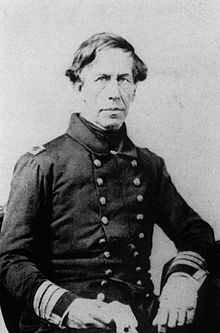
U.S. Exploring Expedition in Samoa
Samoa
Political
Global Trade
4 min read
Updated By: History Editorial Network (HEN)
Published:
Updated:
The United States Exploring Expedition, under the command of Charles Wilkes, reached Samoa after navigating the Pacific Ocean. This expedition, sponsored by the U.S. government, aimed to chart unknown territories, gather scientific data, and expand American maritime knowledge. Upon arriving in Samoa, Wilkes and his crew established contact with local leaders. Recognizing the strategic importance of the Samoa Islands for American interests in the Pacific, Wilkes appointed John C. Williams as the acting U.S. consul to strengthen diplomatic and commercial ties.
John C. Williams's appointment marked the U.S. government's intent to establish a presence in the region. Acting as a liaison between the Samoan leaders and the American government, Williams facilitated discussions that would influence future interactions. This role emphasized the importance the U.S. placed on establishing influence in the Pacific region.
This move contributed to the eventual increase in American influence in Samoa and the greater Pacific. It highlighted the broader imperialistic and exploratory ambitions of countries during this period. The expedition also provided valuable scientific and geographic data which furthered the knowledge of the Pacific islands and assisted in the navigation and mapping of the region.
The event had lasting implications for U.S.-Samoa relations, marking the beginning of more formal and structured interactions that would evolve over time. The exploration and subsequent diplomatic efforts exemplified the era's spirit of exploration and the pursuit of expanding economic and strategic frontiers.
#USExploringExpedition #CharlesWilkes #Samoa #PacificExploration #JohnCWilliams #MoofLife
Primary Reference
History of Samoa - Wikipedia
Explore the Life Moments of
 AI Twin