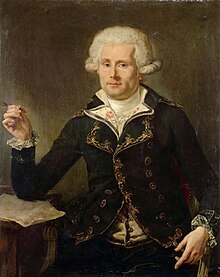
French navigator Bougainville names islands 'Navigator Islands' in honor of skilled Samoan navigators.
Samoa
Science
4 min read
Updated By: History Editorial Network (HEN)
Published:
Updated:
During his exploration of the Pacific, French navigator Louis-Antoine de Bougainville encountered a group of islands. Prior to their European naming, these islands were home to the indigenous Samoan people, who had a rich culture and a well-developed system of navigation. Bougainville, struck by the advanced seafaring skills of the islanders, decided to call these islands the 'Navigator Islands'.
The naming reflected Bougainville’s appreciation of the islanders' navigational expertise, which played a crucial role in their ability to engage in extensive maritime travel and trade across vast stretches of the Pacific Ocean. They utilized traditional knowledge passed down through generations, including the use of the stars, ocean currents, and wind patterns to guide their voyages.
The interaction marked an important point in the documentation of Polynesian navigation techniques by European explorers. Bougainville's recognition contributed to the broader European understanding of the sophisticated navigational abilities of Pacific Islanders—a topic that sparked further interest and study among subsequent explorers and scholars.
In the context of European exploration and colonialism, the naming of the islands by Bougainville also represented the imposition of European nomenclature on indigenous lands. This act of claiming and renaming was part of a larger pattern of European exploration that often failed to acknowledge the existing names and cultures of the lands they encountered.
#Navigation #PacificExploration #SamoanHistory #IndigenousKnowledge #MaritimeSkills #CulturalRecognition #EuropeanExploration #MoofLife
Primary Reference
Louis-Antoine de Bougainville
Explore the Life Moments of
 AI Twin