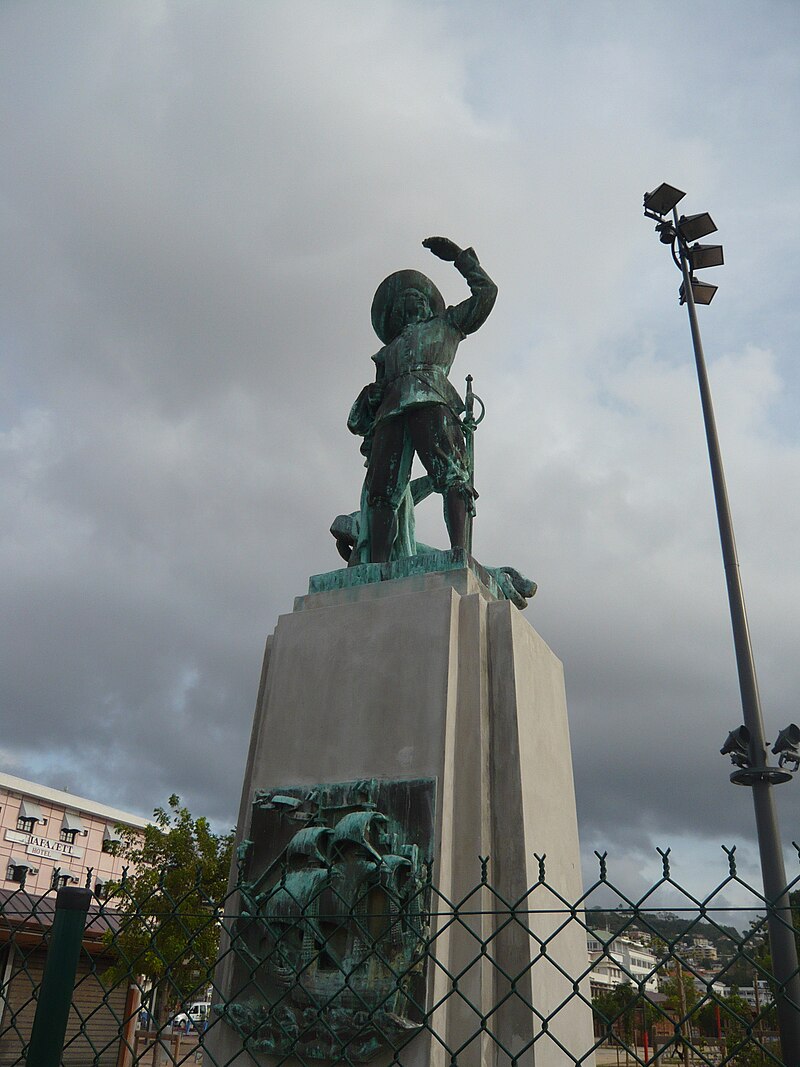
French Colonization of Saint Lucia: Establishing Influence in the Caribbean with D'Esnambuc
Saint Lucia
Global Trade
Colonialism
3 min read
Updated By: History Editorial Network (HEN)
Published:
Updated:
Pierre Belain d'Esnambuc, a French trader and privateer, led a French expedition that established a settlement on the Caribbean island of Saint Lucia. Prior to French involvement, the island was predominantly inhabited by the indigenous Carib people. European interest in the Caribbean was driven by the lucrative potential of trade and the expansion of territorial claims.
D'Esnambuc, in his quest to strengthen France's foothold in the region, recognized the strategic position of Saint Lucia. The French established their presence through both settlement and fortification efforts, setting in motion a series of events that would lead to frequent skirmishes with indigenous populations and other European powers vying for control of the island.
The colonization by d'Esnambuc marked the beginning of a longstanding French influence in Saint Lucia that would persist despite challenges and competing claims. The settlement encouraged agricultural development, particularly in the realm of sugar cane plantations, which became a staple of the island's economy. Over time, this contributed to the island's demographic changes and the introduction of enslaved African laborers, shaping the socio-economic landscape.
#SaintLuciaHistory #FrenchColonization #CaribbeanIslands #MoofLife

Explore the Life Moments of
 AI Twin