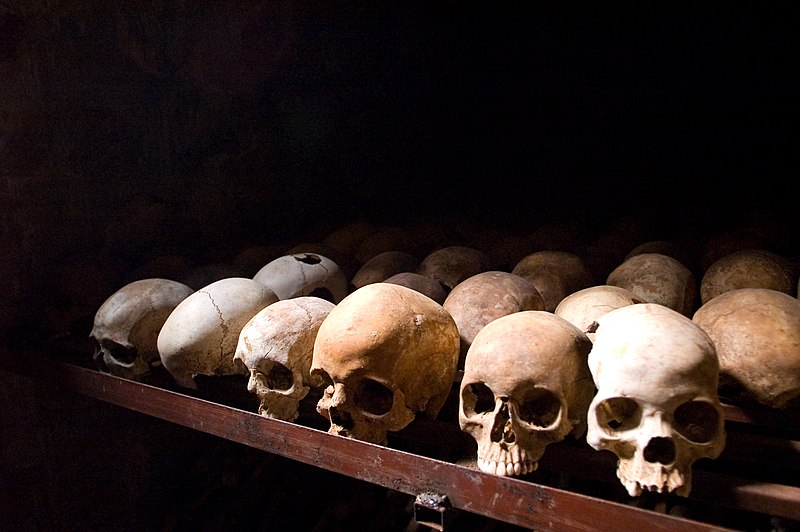
The Rwandan Genocide and the Fight for Reconciliation
Rwanda
Government
Commemoration
Genocide Memorial
5 min read
Updated By: History Editorial Network (HEN)
Published:
Updated:
In April 1994, Rwanda descended into one of the darkest chapters in modern history as the Rwandan Genocide unfolded over the span of just 100 days. Triggered by the assassination of President Juvénal Habyarimana on April 6, 1994, the genocide saw the mass slaughter of the Tutsi minority by extremist elements within the Hutu majority. Backed by the government and armed militias, known as the Interahamwe, an estimated 800,000 Tutsi and moderate Hutu were brutally killed—often with machetes and crude weapons—in a systematic campaign of ethnic cleansing.
The roots of the genocide ran deep, fueled by decades of ethnic tensions, colonial favoritism, and divisive politics. During Belgian colonial rule, ethnic classifications were entrenched, fostering animosity between the Hutu and Tutsi populations. This division was later exploited by political leaders, and by the early 1990s, Rwanda had become a powder keg of hatred. The assassination of Habyarimana acted as the final spark, unleashing a wave of violence that shocked the world.
Entire communities were destroyed, and families were torn apart as the genocide unfolded with devastating efficiency. International response was slow and inadequate, with the United Nations peacekeeping forces (UNAMIR) unable to prevent the massacre. Despite urgent calls for intervention, many global powers failed to act decisively, leaving the Rwandan people to endure unimaginable suffering.
The genocide finally ended in July 1994, when the Rwandan Patriotic Front (RPF), led by Paul Kagame, overthrew the extremist regime and seized control of the country. However, the aftermath of the genocide left deep scars. Millions of survivors faced trauma, displacement, and the loss of loved ones. The country also struggled to rebuild as perpetrators of the violence were brought to justice through Gacaca courts, the International Criminal Tribunal for Rwanda (ICTR), and other reconciliation efforts.
Today, Rwanda has transformed itself into a symbol of resilience and recovery. The nation commemorates the genocide annually during Kwibuka (Remembrance), reflecting on the past while striving for unity, peace, and progress. The genocide remains a somber reminder of the consequences of hatred and division, urging the global community to never let such atrocities happen again.
#mooflife
#MomentOfLife
#Rwanda
#GenocideMemorialDay
#RwandanGenocide
#April7
#Reconciliation

Explore the Life Moments of
 AI Twin