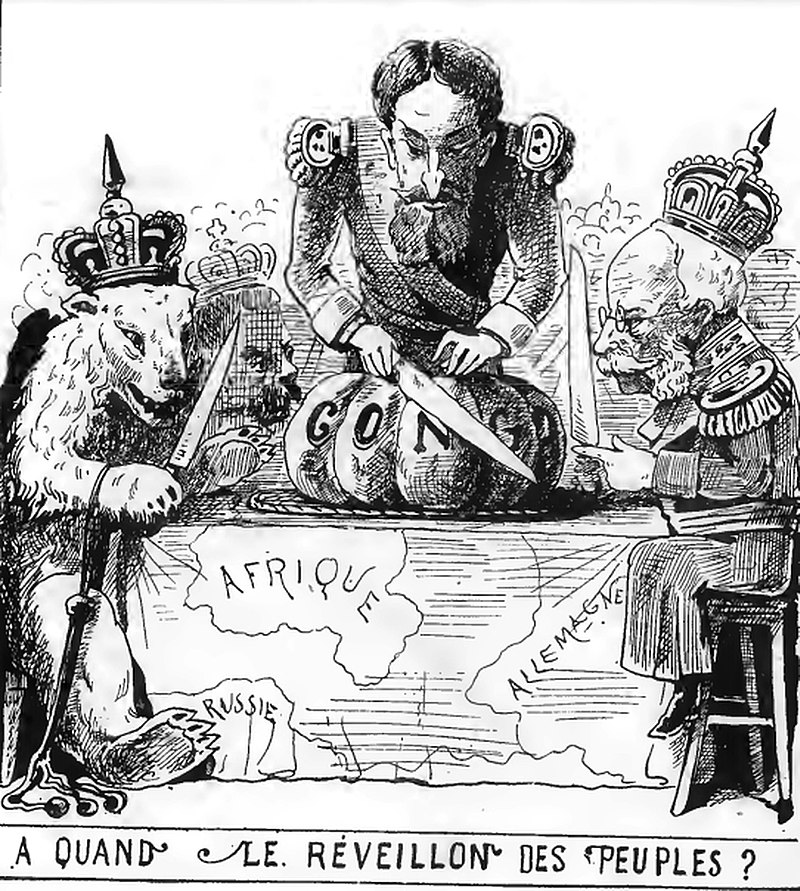
Berlin Conference assigns Rwanda to German Empire
Rwanda
Colonialism
African Studies
3 min read
Updated By: History Editorial Network (HEN)
Published:
Updated:
The Berlin Conference of 1884 was a pivotal moment in the history of Rwanda, as it officially assigned the territory to the German Empire, integrating it into the larger framework of German East Africa. This decision marked the onset of German colonial rule in the region, which would have lasting impacts on Rwandan society and governance. Following the conference, in 1894, explorer Gustav Adolf von Götzen became the first European to traverse the entirety of Rwanda, journeying from the southeast to Lake Kivu, where he met the local king. By 1897, Germany solidified its presence in Rwanda through an alliance with the king, which allowed them to exert influence while maintaining the existing local hierarchy. This approach involved delegating power to local chiefs, thereby establishing a system of indirect rule that would shape the political landscape of Rwanda for years to come. The German colonial period laid the groundwork for future conflicts and changes in governance, ultimately influencing Rwanda's trajectory into the 20th century and beyond.
#mooflife
#MomentOfLife
#BerlinConference
#Rwanda
#GermanEmpire
#ColonialHistory
#GermanEastAfrica

Explore the Life Moments of
 AI Twin