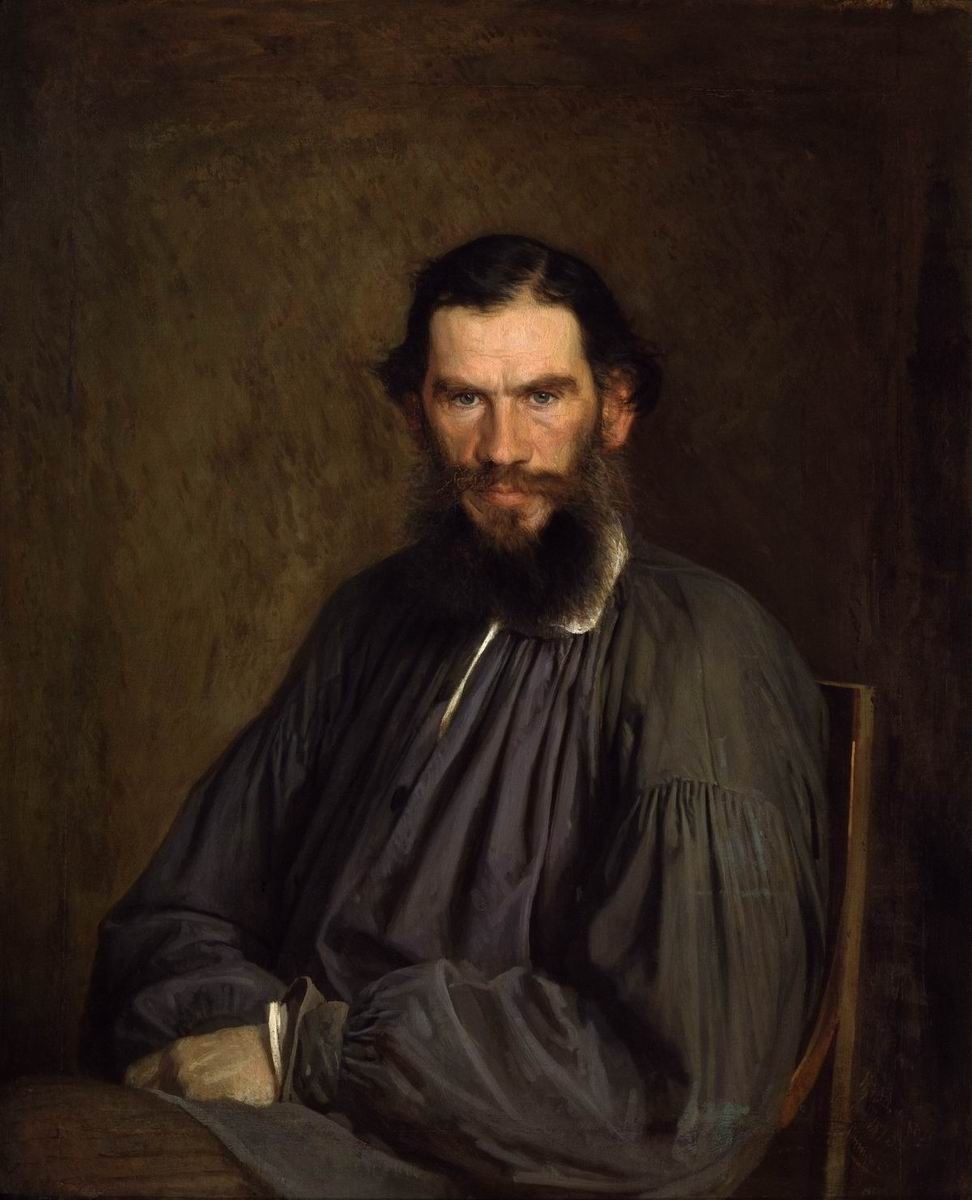
Police confiscate valuable books from Tolstoy's historical estate, sparking controversy and concerns.
Russia
Political
4 min read
Updated By: History Editorial Network (HEN)
Published:
In 1884, the Russian police confiscated a significant number of Leo Tolstoy's books from various libraries across the country. The decision to seize the works of the renowned writer was a part of the government's effort to suppress dissenting voices and ideas that were seen as challenging the authority of the ruling regime.
Tolstoy, a prominent literary figure and philosopher, was known for his critical views on the Russian government and the Orthodox Church. His writings often questioned the social inequality and moral values of the time, which made him a target of the authorities who feared his influence on the public.
The seizure of Tolstoy's books had a chilling effect on intellectual freedom in Russia, as it sent a clear message that any form of criticism or dissent would not be tolerated. Many intellectuals and writers faced increased scrutiny and censorship, leading to self-censorship and the suppression of independent thought.
Despite the government's efforts to silence him, Tolstoy continued to write and publish his work, maintaining his commitment to truth and justice. His books, though confiscated, remained influential among his followers and readers who sought to challenge the status quo.
The event of Russian police seizing Tolstoy's books serves as a stark reminder of the power dynamics between the state and intellectuals, as well as the enduring legacy of resistance against oppression and censorship.
#LeoTolstoy #LiterarySuppression #IntellectualFreedom #Censorship #RussianHistory

Explore the Life Moments of
 AI Twin