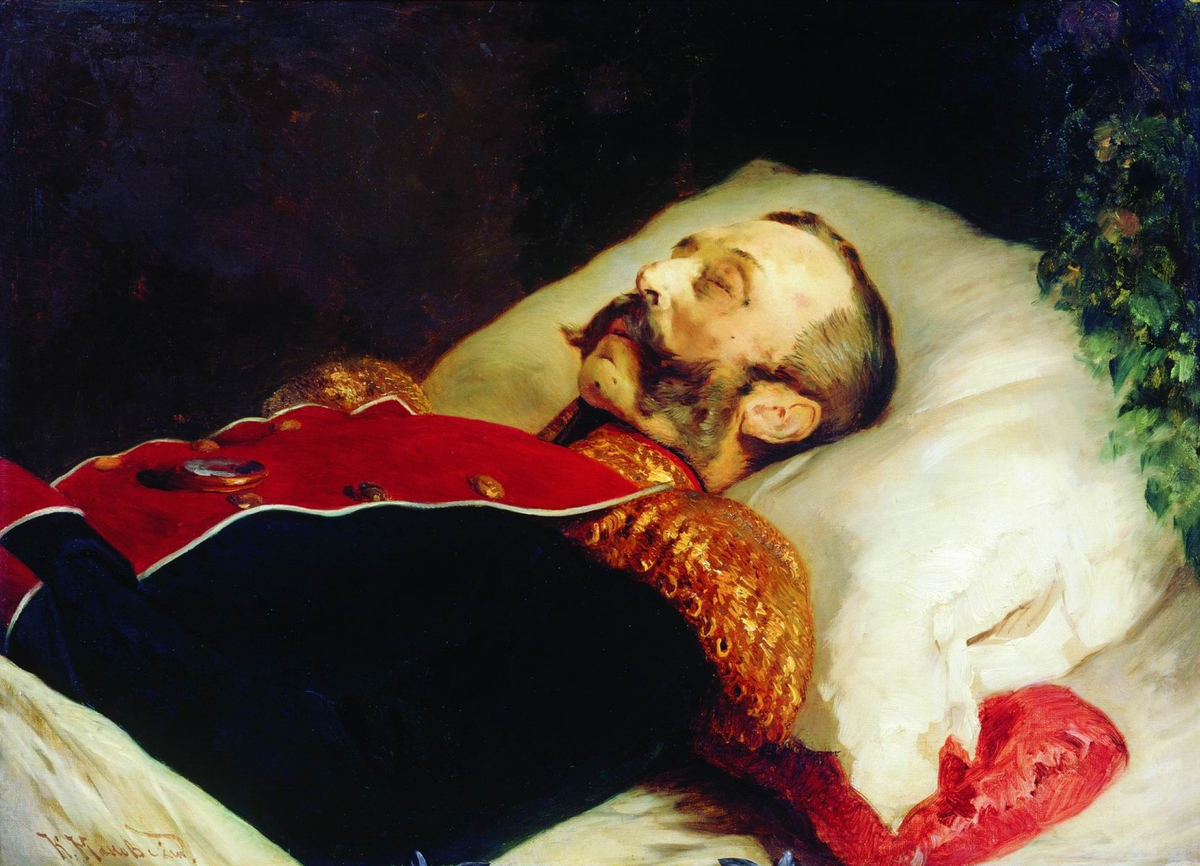
Assassination of Tsar Alexander II
Russia
Political
4 min read
Updated By: History Editorial Network (HEN)
Published:
Tsar Alexander II of Russia, known for his progressive reforms such as the emancipation of the serfs, faced opposition from revolutionary groups seeking more extensive changes in the country's governance. The People's Will, a radical organization, orchestrated a plan to assassinate him. On that fateful day, as the Tsar's carriage passed through the streets of St. Petersburg, a bomb was thrown at the vehicle, causing chaos and destruction.
The explosion severely injured the Tsar, who was then taken to the Winter Palace where he succumbed to his wounds. The assassination sent shockwaves across Russia and beyond. While some hailed it as a blow against oppression, others saw it as an act of anarchy and violence.
The death of Alexander II had a mixed impact on Russia. His successor, Alexander III, implemented a period of harsh repression, undoing many of his predecessor's reforms. The assassination also fueled nationalist sentiments and strengthened the resolve of revolutionary movements.
The event marked a turning point in Russian history, leading to increased political turmoil and setting the stage for the eventual fall of the Romanov dynasty. The assassins were eventually captured, tried, and sentenced to death. Their actions, however, symbolized the deep-seated discontent and desire for change among the Russian populace.
The assassination of Tsar Alexander II remains a pivotal moment in the history of Russia, underscoring the tensions between reform and reaction, freedom and autocracy. It serves as a reminder of the complex forces at play in the struggle for power and change.
#TsarAlexanderII #Assassination #RussianHistory #Reform #Revolutionaries

Explore the Life Moments of
 AI Twin