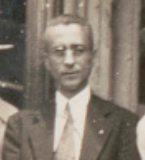
Death of Rosa Parks' husband
Detroit, Michigan, United States
Civil Rights History
Personal Struggles
Health and Illness
5 min read
Updated By: History Editorial Network (HEN)
Published:
Updated:
Raymond Parks, the husband of civil rights activist Rosa Parks, died on 19/08/1977 after battling throat cancer for five years. He was 74 years old at the time of his death. Raymond Parks passed away in Detroit, Michigan, where he and Rosa Parks had lived for many years following their move from Alabama in the late 1950s.
Born in 1903, Raymond Parks worked as a barber and became involved in civil rights activism long before Rosa Parks became nationally known. In the 1930s, he supported efforts to defend the “Scottsboro Boys,” nine Black teenagers falsely accused of assault in Alabama. Raymond Parks was also active within the Montgomery branch of the National Association for the Advancement of Colored People (NAACP). He married Rosa McCauley in 1932, and the couple remained together for 45 years.
Throughout Rosa Parks’ public life, Raymond Parks generally stayed out of the spotlight, but he remained a steady supporter of her activism. After Rosa Parks refused to give up her seat on a segregated Montgomery bus on 01/12/1955, the couple faced threats, economic hardship, and intense public attention. The boycott that followed became one of the defining events of the American civil rights movement. In 1957, the Parks family relocated to Detroit seeking greater safety and employment opportunities.
Raymond Parks’ health declined during the 1970s as he underwent treatment for throat cancer. His death in 1977 came nearly two decades before Rosa Parks herself died on 24/10/2005 at the age of 92. Following his passing, Rosa Parks continued her public work through speaking engagements, educational outreach, and community programs focused on civil rights and youth development.
Why This Moment Matters :
Although Rosa Parks became internationally recognized, Raymond Parks played an important role in the civil rights networks that existed before the Montgomery Bus Boycott. His activism and support reflected the broader community efforts behind many civil rights campaigns during the mid-20th century.
#mooflife
#MomentOfLife
#RosaParks
#CivilRightsMovement
#PersonalStruggles
#Activism
#Legacy
Primary Reference
Raymond Parks (activist)

Explore the Life Moments of
 AI Twin