Romania joins Allies in World War II
Romania

War
4 min read
Updated By: History Editorial Network (HEN)
Published:
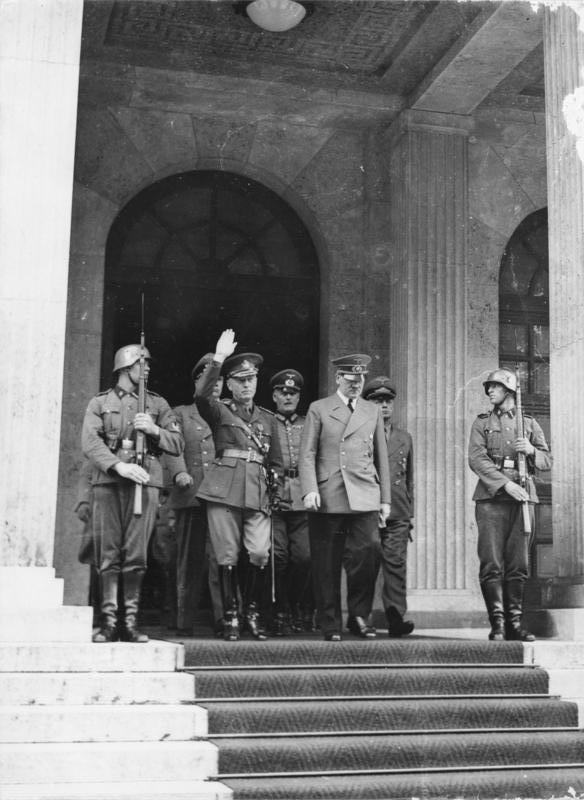
During World War II, Romania maintained an alliance with Nazi Germany, despite losing territory and facing heavy casualties on the Eastern Front. However, as the war progressed and the tide began to turn against the Axis powers, Romania sought opportunities to switch sides. King Michael I led a coup against the pro-German government, effectively aligning Romania with the Allies.
The switch in allegiance had a significant impact on the war in Eastern Europe. With Romania now fighting alongside the Allies, German forces in the region faced increased pressure from multiple fronts. The Romanian army contributed to the liberation of territories in Eastern Europe, including their own country. The strategic shift also opened up supply routes and support for the Soviet Union, aiding in the continued push against German forces.
The aftermath of Romania joining the Allies saw a shift in the country's political landscape. King Michael I emerged as a symbol of resistance against Axis oppression, and the new Romanian government played a crucial role in the reconstruction and stabilization of the region post-war. The decision to switch sides ultimately helped Romania regain its sovereignty and independence, as well as shape its future alliances and international relations.
Overall, Romania's decision to switch sides in World War II marked a turning point in the conflict, impacting the Eastern Front and contributing to the eventual defeat of Nazi Germany. The courage and strategic maneuvering demonstrated by King Michael I and the Romanian people highlighted the complexities of wartime politics and the potential for countries to reevaluate their allegiances in pursuit of a better future.
#Romania #WorldWarII #Allies #Axis #EasternFront #KingMichaelI #Coup #StrategicShift #SovietUnion #Independence
Explore the Life Moments of
 AI Twin