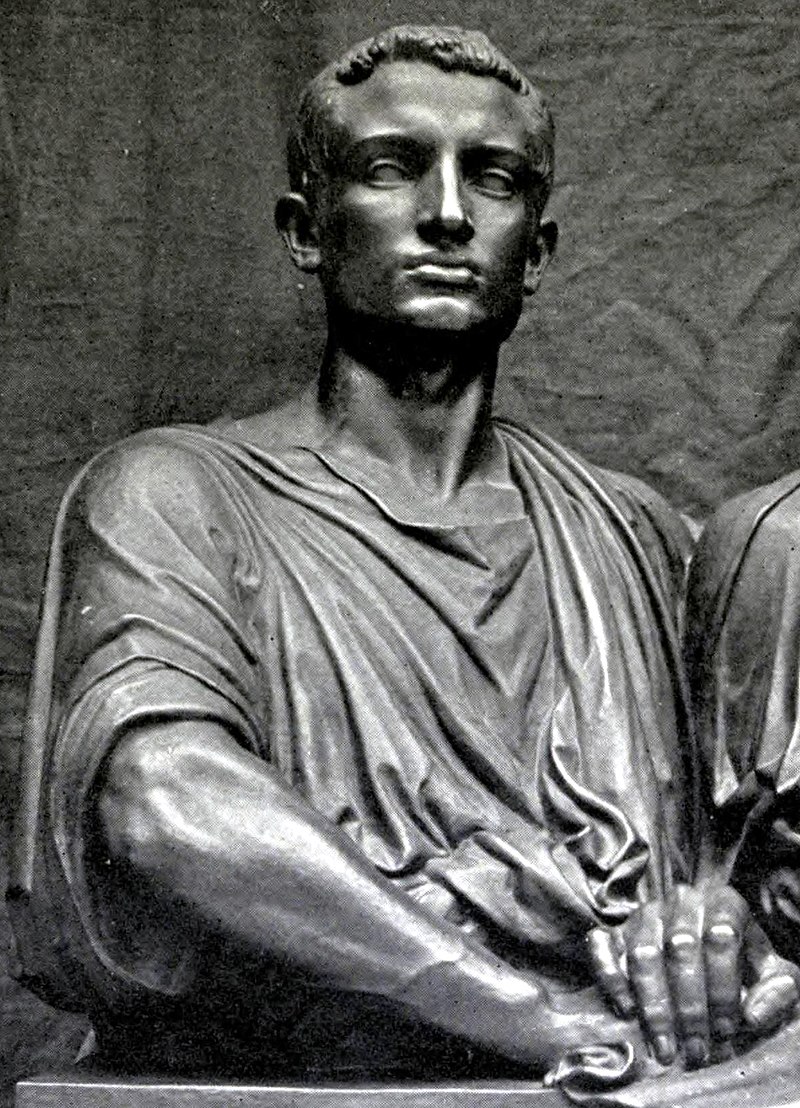
Tiberius Gracchus and His Attempted Law Reforms
Rome
Politics
Ancient Rome
3 min read
Updated By: History Editorial Network (HEN)
Published:
Updated:
Tiberius Gracchus, elected as plebeian tribune, sought to address the growing economic disparity in Rome by proposing a law aimed at limiting land ownership and redistributing public lands to impoverished rural citizens. This initiative was a response to the increasing concentration of land among the aristocracy, which had significant implications for the lower classes. The proposed law faced fierce opposition from the wealthy elite, who stood to lose substantial financial assets. Despite the resistance, Tiberius managed to submit the law to the Plebeian Council. However, it was initially vetoed by Marcus Octavius, a fellow tribune. In a controversial move, Tiberius rallied the plebeians to remove Octavius from his position, arguing that Octavius was acting against the will of the people. This action was unprecedented and raised questions about the constitutional integrity of such a maneuver. Ultimately, Tiberius's law was enacted, allowing for the redistribution of land, but it also set a dangerous precedent for political conflict in Rome. His subsequent attempt to seek reelection was met with hostility, culminating in his assassination by political adversaries, which highlighted the intense divisions within Roman society and the lengths to which the elite would go to protect their interests.
#mooflife
#MomentOfLife
#TiberiusGracchus
#RomanHistory
#LandReform
#PlebeianTribune
#PoliticalConflict
Primary Reference
https://en.wikipedia.org/wiki/Tiberius_Gracchus

Explore the Life Moments of
 AI Twin