Spartacus and the Fight for Freedom in the Third Servile War
Rome
Ancient Rome
Revolts
4 min read
Updated By: History Editorial Network (HEN)
Published:
Updated:
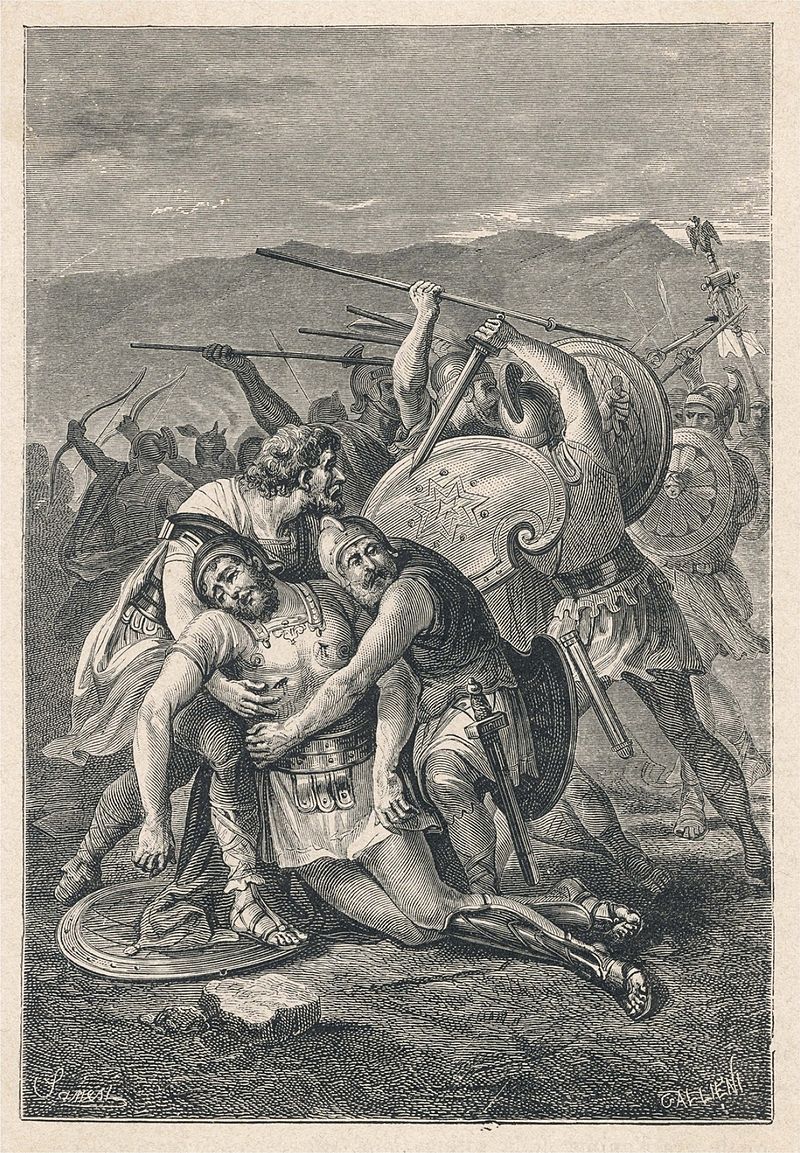
The Third Servile War, also known as the Gladiator War, was a major slave uprising that began in southern Italy. It was led by Spartacus, a Thracian gladiator who had been enslaved and trained for combat. Spartacus, along with a group of fellow gladiators, escaped from a training school and quickly gathered a large following. Over time, this group grew to approximately 70,000 men, consisting of slaves and disaffected individuals seeking freedom from the oppressive Roman system. The uprising was marked by several early victories against local Roman garrisons and even four legions commanded by Roman consuls. Spartacus and his forces aimed to escape Italy and find freedom, challenging the might of the Roman Republic in the process.
Despite initial successes, the rebellion faced significant challenges as it progressed. The Roman Senate responded to the uprising by dispatching additional troops, ultimately placing M. Licinius Crassus in command of the forces tasked with quelling the revolt. Crassus, known for his wealth and political influence, was determined to restore order and suppress the rebellion. The conflict culminated in a series of battles that led to the defeat of Spartacus and his followers. The aftermath of the war saw many captured rebels executed or enslaved, and the event highlighted the tensions between the ruling class and the lower strata of society in Rome. The Third Servile War remains a pivotal moment in the history of Rome, illustrating the struggle for freedom against systemic oppression.
#mooflife
#MomentOfLife
#Spartacus
#ThirdServileWar
#RomanHistory
#SlaveUprising
#FreedomStruggle
Primary Reference
Third Servile War

Explore the Life Moments of
 AI Twin