Roman military reform opens up the army to all
Rome
4 min read
Updated By: History Editorial Network (HEN)
Published:
Updated:
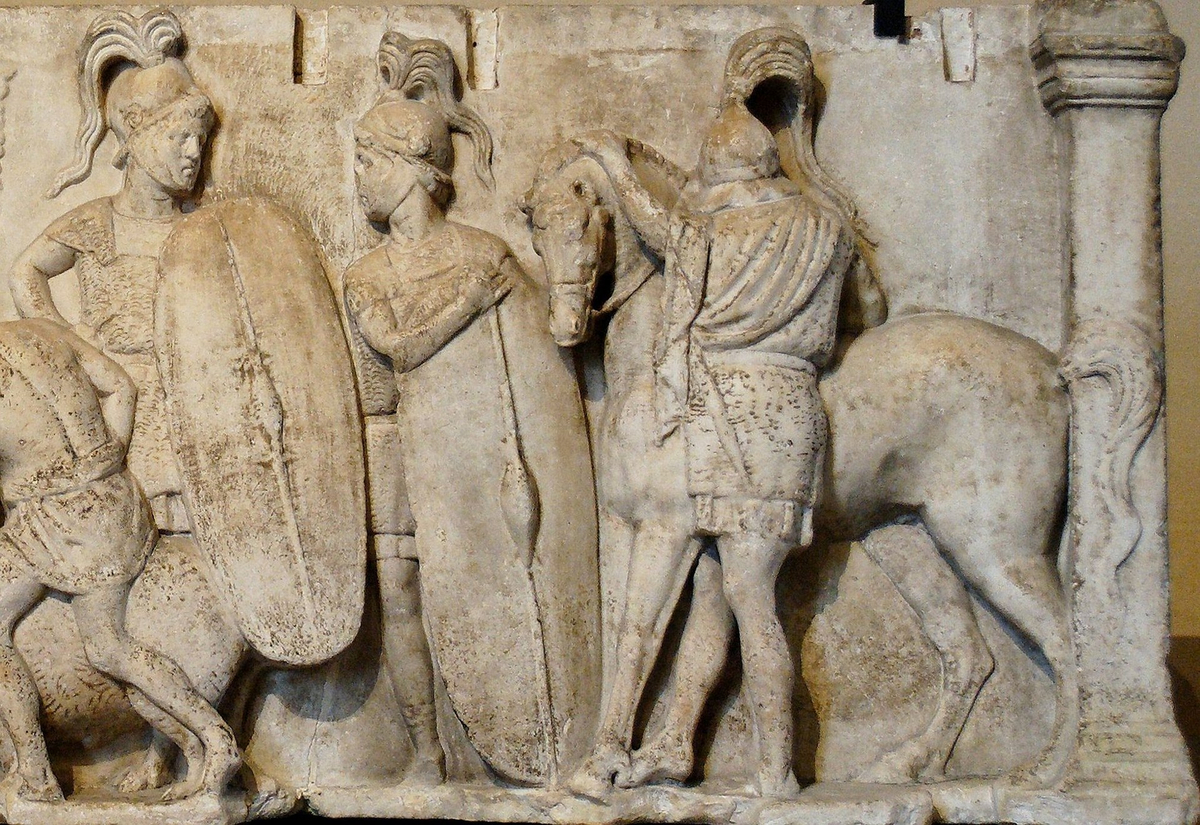
The eligibility criteria for joining the Roman army underwent a significant transformation during the Republican period. Prior to this change, military service was largely restricted to citizens of certain wealth and social classes, which created a distinct hierarchy within the army. However, a pivotal shift occurred when all citizens, irrespective of their financial status or social standing, were granted the right to enlist. This change led to the dissolution of the previously established three heavy infantry classes, merging them into a single class of heavy citizen stock. Meanwhile, non-citizens increasingly filled the ranks of light infantry, reflecting a broader inclusivity in military service. Despite this democratization at the lower ranks, the upper echelons of the army remained dominated by the Roman aristocracy, ensuring that leadership positions were still held by those from privileged backgrounds.
The implications of this shift were profound. With the army transitioning from a seasonal militia to a professional force, soldiers began to receive regular pay, which made military service more appealing, particularly to the lower socio-economic classes. This change attracted many from poorer backgrounds who sought stable income through military service. The state employed these legionaries on fixed-term contracts, marking a departure from the earlier model where soldiers fought primarily to defend their own lands. As a result, the composition of the Roman army became more diverse, reflecting a broader segment of society while still maintaining a clear distinction in leadership roles. This evolution not only altered the social dynamics within the military but also had lasting effects on Roman society as a whole, as the army became a viable career path for many citizens.
#mooflife
#MomentOfLife
#RomanArmy
#MilitaryService
#SocialClass
#WealthEligibility
#RomanHistory
Primary Reference
Structural history of the Roman military

Explore the Life Moments of
 AI Twin