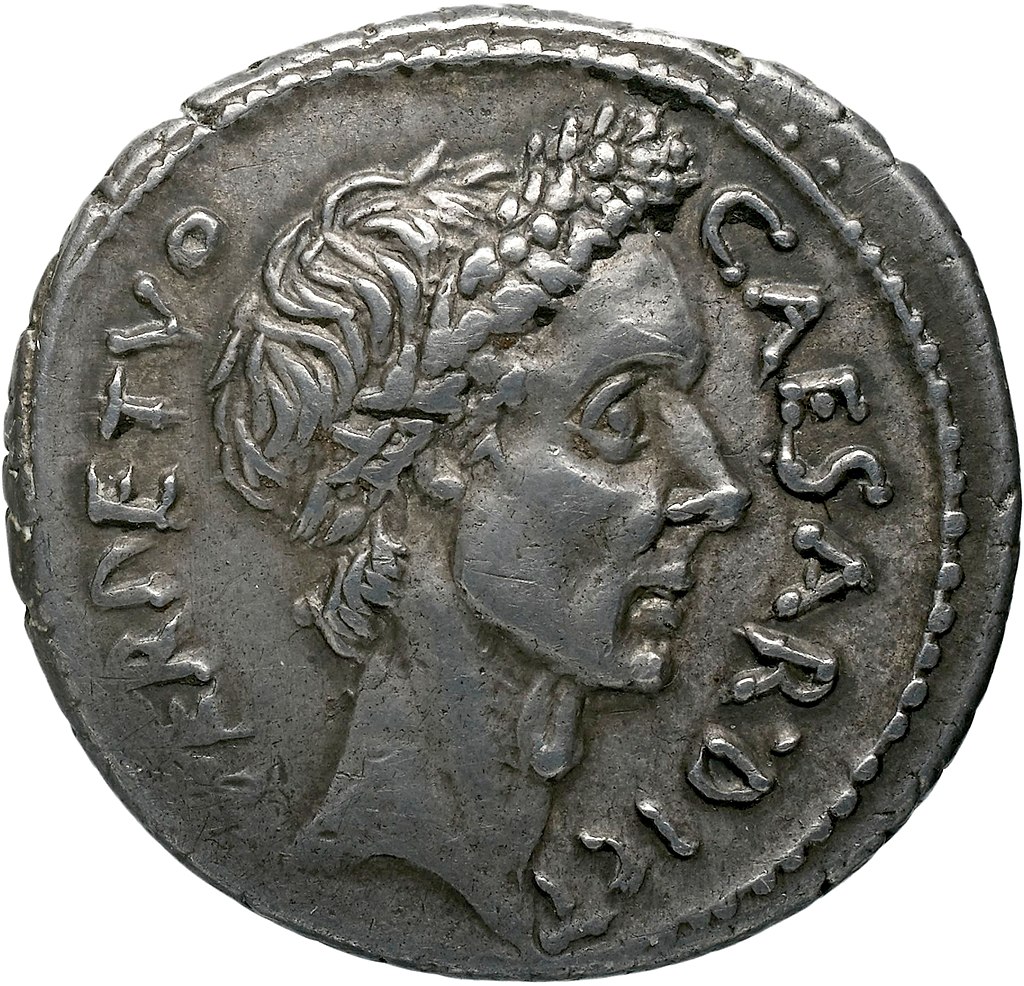
Julius Caesar Named Dictator for Life
Rome
Roman History
Political Leadership
Historical Events
4 min read
Updated By: History Editorial Network (HEN)
Published:
Updated:
Julius Caesar's appointment as dictator for life marked a crucial turning point in Roman governance and politics. This decision was rooted in the political turmoil and power struggles that characterized the late Roman Republic. Caesar had already established himself as a formidable leader through military conquests and political alliances, which allowed him to consolidate power. His role as dictator was intended to provide stability during a time of crisis, but it also raised concerns among his contemporaries about the concentration of power in one individual. The title of dictator for life was unprecedented and signified a departure from the traditional Roman political structure, which favored a system of checks and balances. This move alarmed many senators who feared that Caesar aimed to establish a monarchy, undermining the Republic's democratic ideals.
The impact of Caesar's appointment was immediate and profound. It led to a conspiracy among a group of senators who viewed his power as a threat to their own influence and the Republic itself. This culminated in his assassination, which was a direct response to his accumulation of power. Following his death, the political landscape of Rome shifted dramatically. Caesar's heir, Octavian, and his lieutenant, Mark Antony, engaged in a power struggle that ultimately resulted in the end of the Roman Republic and the rise of the Roman Empire. The events surrounding Caesar's dictatorship and subsequent assassination illustrate the fragility of political power and the lengths to which individuals will go to protect their interests in a volatile political environment.
#mooflife
#MomentOfLife
#JuliusCaesar
#DictatorForLife
#RomanRepublic
#PoliticalHistory
#AssassinationOfCaesar
Primary Reference
Julius Caesar

Explore the Life Moments of
 AI Twin