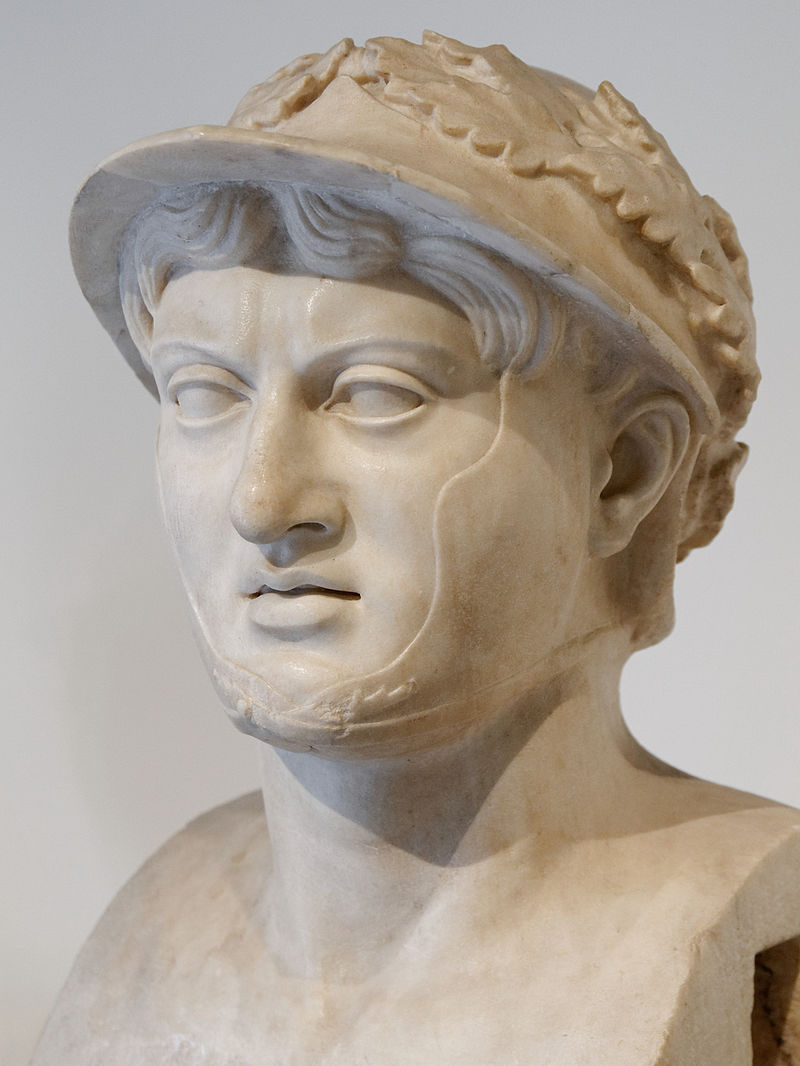
Death of Pyrrhus and Surrender of Tarentum
Rome
Historical Events
Ancient Battles
Roman History
3 min read
Updated By: History Editorial Network (HEN)
Published:
Updated:
The death of Pyrrhus marked a pivotal moment in the power dynamics of the ancient Mediterranean. Pyrrhus, the king of Epirus, was engaged in a military campaign against Antigonus II Gonatas of Macedonia. His strategic ambitions included expanding his influence in Greece and countering the growing power of Rome. However, during a confrontation at Argos, Pyrrhus was killed in battle. This loss not only ended his military aspirations but also had immediate repercussions for the city of Tarentum, which had been a key ally of Pyrrhus. Following his death, the garrison in Tarentum found itself in a precarious position, leading to the city's surrender to Roman forces. This event significantly contributed to Rome's expansion in the region and the decline of Hellenistic power in southern Italy.
The surrender of Tarentum was a critical development in the Roman conquest of the Italian peninsula. Tarentum had been a prominent city-state with a strong naval presence and a history of resistance against Roman authority. Its capitulation allowed Rome to consolidate its control over the southern territories and facilitated further military campaigns in the region. The loss of Tarentum also symbolized the diminishing influence of Hellenistic kingdoms in the face of Roman expansion. The aftermath of these events set the stage for Rome's eventual dominance over the Mediterranean, reshaping the political landscape and influencing the course of history in the centuries to follow.
#mooflife
#MomentOfLife
#Pyrrhus
#Tarentum
#RomanExpansion
#HellenisticPower
#AncientHistory
Primary Reference
Pyrrhus of Epirus

Explore the Life Moments of
 AI Twin