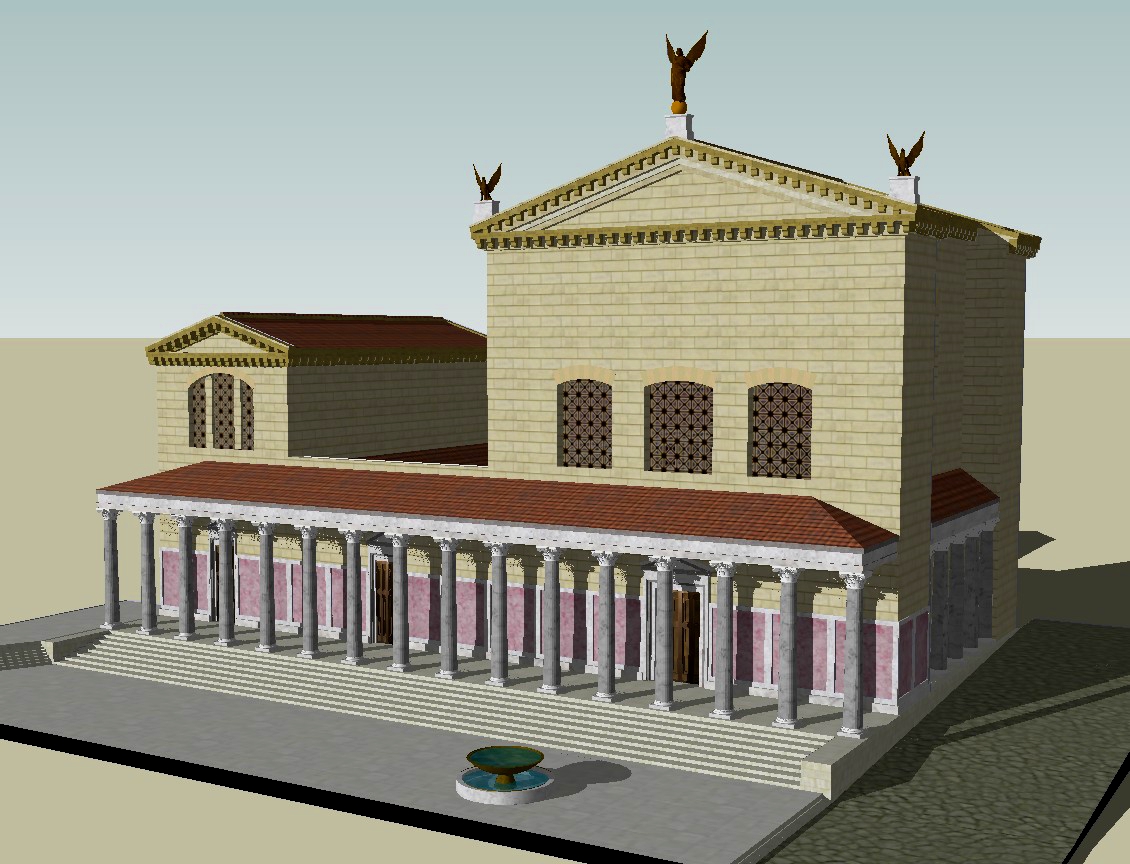
Curia Julia completed by Octavian
Rome
Ancient Rome
Architecture
Historical Sites
4 min read
Updated By: History Editorial Network (HEN)
Published:
Updated:
The Curia Julia served as the Senate house in ancient Rome, marking a pivotal development in the architectural and political landscape of the city. It was constructed to replace the Curia Cornelia, which had been the Senate's meeting place prior to its completion. The decision to build the Curia Julia was part of a broader effort by Octavian to consolidate power and enhance the prestige of the Senate, reflecting the transition from the Roman Republic to the imperial system. The new structure was designed to accommodate the growing number of senators and to symbolize the authority of the state. The Curia Julia was not only a functional space for legislative activities but also a representation of the political changes occurring in Rome during this period.
The impact of the Curia Julia extended beyond its physical presence. It became a central location for political discourse and decision-making, influencing the governance of Rome. The architectural design of the Curia Julia was significant, as it incorporated elements that emphasized the importance of the Senate in the Roman political system. The building's completion marked a shift in the dynamics of power, as Octavian, later known as Augustus, sought to legitimize his rule through the Senate while simultaneously diminishing its traditional authority. This duality in the relationship between the Senate and the emperor would shape Roman politics for centuries. The Curia Julia stands as a testament to the evolving nature of Roman governance and the architectural legacy that continues to influence modern political structures.
#mooflife
#MomentOfLife
#CuriaJulia
#Octavian
#RomanSenate
#RomanArchitecture
#PoliticalHistory
Primary Reference
Curia Julia

Explore the Life Moments of
 AI Twin