Concealment of Caesarion's Execution Aftermath
Rome
Politics
Ancient Rome
4 min read
Updated By: History Editorial Network (HEN)
Published:
Updated:
The execution of Caesarion, the son of Cleopatra VII and Julius Caesar, marked a pivotal moment in the power dynamics of ancient Rome. Following the assassination of Julius Caesar, a power struggle ensued among his associates, notably Mark Antony, Octavian, and Lepidus. Octavian, as Caesar's adopted son, sought to eliminate any potential threats to his authority, which included Caesarion, who was viewed as a symbol of Caesar's legacy and a rival claim to power. The execution of Caesarion was not merely a personal vendetta but a strategic move to consolidate Octavian's control over Rome and eliminate any claims to the throne that could arise from Caesar's bloodline. This act of violence had far-reaching implications, as it not only removed a potential rival but also sent a clear message to others about the lengths to which Octavian would go to secure his position.
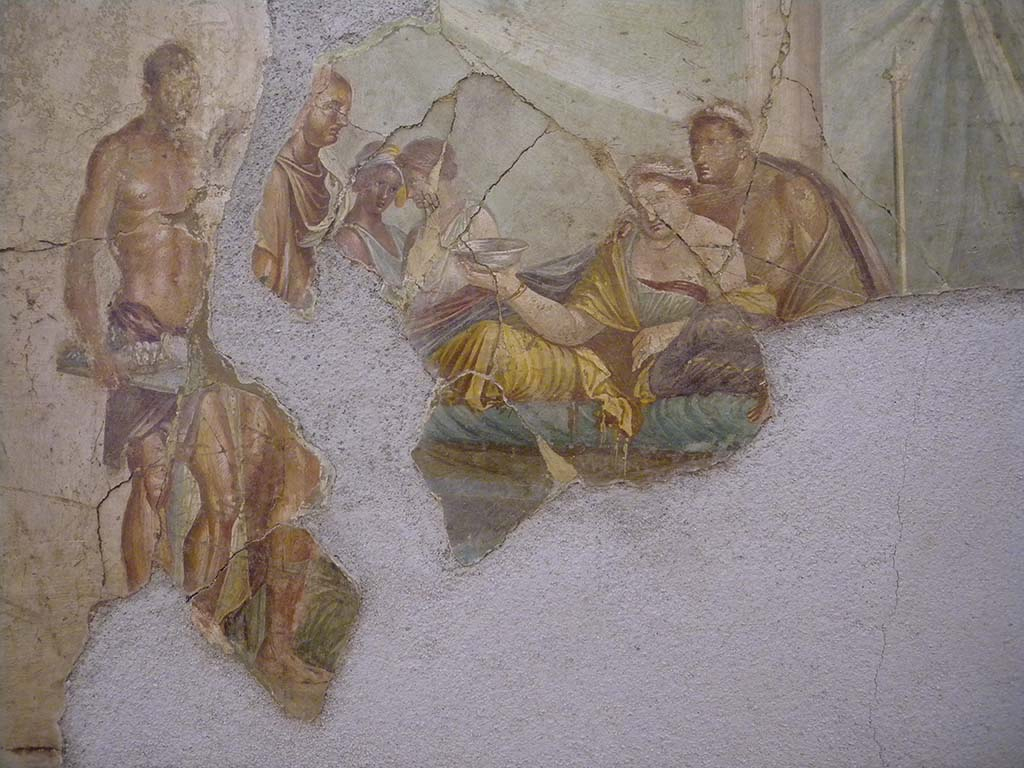
In the aftermath of Caesarion's execution, there was a notable cultural response, particularly in the realm of art. A Roman wall painting in Pompeii, which depicted Cleopatra as Venus Genetrix with Caesarion as Cupid, was concealed. This concealment suggests a deliberate effort to suppress the memory of Caesarion and, by extension, Cleopatra's influence. The act of hiding this artwork reflects the broader societal shifts occurring in Rome, where the narrative surrounding Cleopatra and her lineage was being rewritten to favor Octavian's portrayal of himself as the rightful heir to Caesar's legacy. The concealment of such art serves as a historical indicator of the political climate and the lengths to which leaders would go to control public perception and historical narrative.
#mooflife
#MomentOfLife
#Caesarion
#Cleopatra
#Octavian
#RomanHistory
#PompeiiArt
Primary Reference
Caesarion

Explore the Life Moments of
 AI Twin