Robert F. Kennedy's Crucial Role in Combatting Financial Fraud
United States of America
Political
Economic Downturn
4 min read
Updated By: History Editorial Network (HEN)
Published:
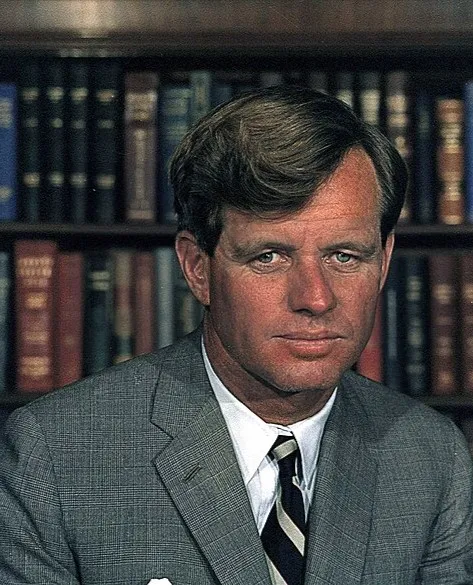
Robert F. Kennedy's career took a pivotal turn when he was transferred to the Criminal Division to work on fraud cases. This move placed him at the frontline of the Department of Justice's efforts to combat financial crimes. Kennedy’s legal experience and dedication positioned him to address complex financial fraud, a growing concern in the U.S. during that era.
Kennedy's new role involved investigating and prosecuting instances of fraud, which posed significant threats to the integrity of financial systems. His work aimed to safeguard economic stability and protect citizens from financial exploitation. This task required rigorous analysis and meticulous attention to detail to build cases against perpetrators.
The shift to the Criminal Division provided Kennedy with the platform to hone his prosecutorial skills. It laid the foundation for his future crusades against corruption and organized crime. The strategies and insights gained during this period were instrumental in his subsequent roles, particularly as Attorney General.
Kennedy’s contribution in this capacity reflected broader governmental efforts to clamp down on white-collar crime. By focusing on fraud, Kennedy and his contemporaries worked to ensure corporate accountability and transparency, which in turn fostered public trust in the economic system.
Kennedy's tenure in the Criminal Division underscored the importance of vigilant and capable legal oversight in the fight against financial misconduct. The outcomes of his efforts had lasting implications for the implementation of more stringent regulatory frameworks and the enhancement of prosecutorial approaches in fraud cases.
#MoofLife #RobertFKennedy #JusticeSystem #FraudProsecution #CriminalDivision #FinancialCrimes
Primary Reference
Congressional Record | Congress.gov | Library of Congress
Explore the Life Moments of
 AI Twin