Robert F. Kennedy Challenges Saigon Corruption and U.S. Strategy in Vietnam War.
United States of America
Political
Vietnam War
4 min read
Updated By: History Editorial Network (HEN)
Published:
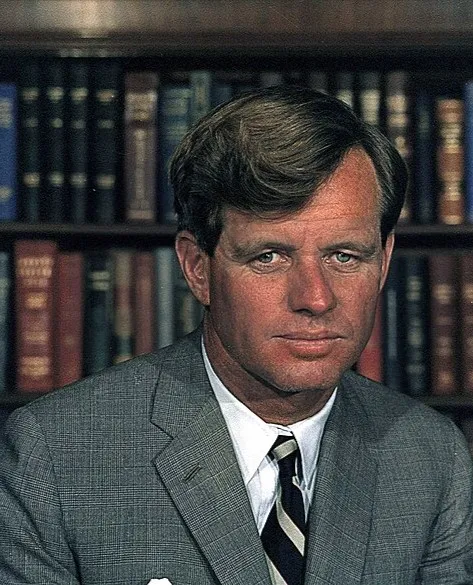
In a speech delivered in Chicago, Robert F. Kennedy critiqued the corruption within the Saigon government and expressed his disagreement with President Lyndon B. Johnson's stance on the Vietnam War. This address came at a time when U.S. involvement in Vietnam was increasingly controversial.
Kennedy's speech highlighted issues of graft and mismanagement among South Vietnamese officials supported by the United States. He argued that American resources were being misused and that the Vietnamese government's corruption undermined efforts to establish a stable and effective administration. Kennedy suggested that such corruption made it difficult to gain popular support within Vietnam, consequently hampering the broader objective of battling communist forces.
Kennedy, having been a vocal opponent of the war, criticized Johnson's approach, which predominantly focused on military escalation. Citing rising American casualties and swelling anti-war sentiment back home, he urged for a reevaluation of U.S. policy. By presenting an alternative view, Kennedy sought to promote a strategic shift towards diplomatic solutions and de-escalation of the conflict.
This speech had significant ramifications. It added pressure on the Johnson administration to justify its Vietnam strategy as public opinion continued to shift against the war. Polls from the time indicated growing skepticism among Americans regarding the war's progress and purpose. Equally, Kennedy's opposition provided a rallying point for anti-war activists and helped shape the debate within the Democratic Party, influencing its political discourse and electoral strategies.
#MoofLife #VietnamWar #AntiCorruption #USHistory #RFK
Primary Reference
Robert F. Kennedy urges compromise in Vietnam - UPI Archives
Explore the Life Moments of
 AI Twin