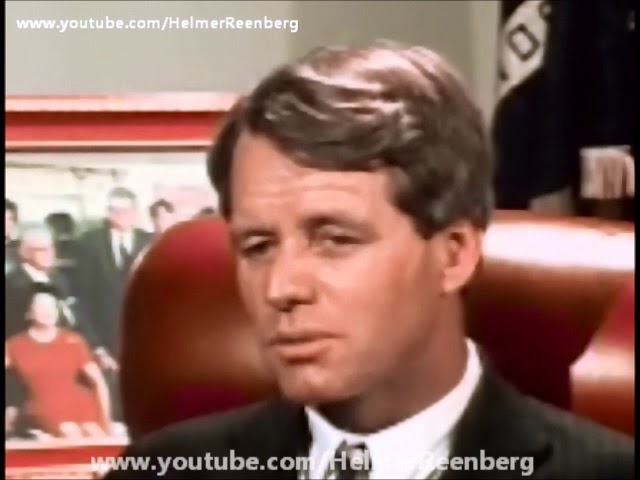
RFK's Proposal: Halt bombing, withdraw troops, push diplomacy in Vietnam War.
United States of America
Political
Global Trade
4 min read
Updated By: History Editorial Network (HEN)
Published:
Updated:
Robert F. Kennedy, a vocal critic of U.S. involvement in the Vietnam War, proposed a three-point plan to bring the conflict to an end. His proposal included:
Suspending the U.S. bombing of North Vietnam – Kennedy believed that halting air strikes would serve as a gesture of goodwill and could encourage negotiations.
A negotiated settlement leading to the withdrawal of both American and North Vietnamese forces from South Vietnam – He envisioned a phased withdrawal that would prevent South Vietnam from becoming a battleground for continued foreign intervention.
A political resolution that would allow the South Vietnamese people to determine their own future – Kennedy emphasized self-determination and a peaceful transition rather than military domination.
Despite his intentions, this proposal was swiftly rejected by Secretary of State Dean Rusk. Rusk, a staunch supporter of the Johnson administration’s war policies, argued that North Vietnam would never agree to such terms and that any sign of de-escalation might be perceived as weakness. He, along with other hawkish officials, maintained that continued military pressure was necessary to force a favorable settlement.
Kennedy’s opposition to the war set him apart from many in the Democratic establishment. His growing anti-war stance became a key pillar of his 1968 presidential campaign before his tragic assassination in June of that year. His plan, though dismissed at the time, foreshadowed the eventual shift in U.S. policy toward Vietnam in the years that followed.
#VietnamWar #RobertFKennedy #MomentsOfLife #MoofLife_Moment #MoofLife
Primary Reference
U.S. Involvement in the Vietnam War: The Tet Offensive, 1968
Explore the Life Moments of
 AI Twin