RFK's Impact as Attorney General in JFK's Administration.
United States of America
Political
4 min read
Updated By: History Editorial Network (HEN)
Published:
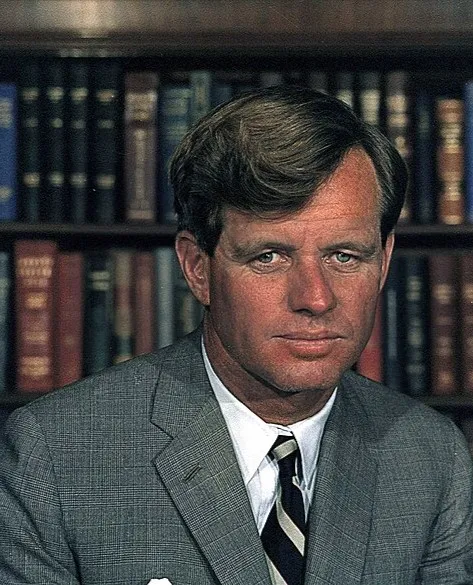
Following the election of John F. Kennedy as President of the United States, Robert F. Kennedy was appointed and confirmed as the U.S. Attorney General. As the younger brother of the President, his appointment was not without controversy, with critics citing concerns over nepotism.
Robert F. Kennedy, often referred to as RFK, had previously served as the campaign manager for his brother's Presidential campaign, showcasing his prowess in political strategy and operations. In his role as Attorney General, RFK focused on various significant issues including civil rights, organized crime, and corruption within labor unions. His tenure saw a rigorous approach towards enforcing civil rights laws, notably working closely with leaders like Martin Luther King Jr. to combat racial segregation and inequality.
RFK's tenure also marked significant progress in the federal government's battle against organized crime. He launched an unprecedented campaign to dismantle the Mafia's grip on American society, including the establishment of the “Top Hoodlum Program” which targeted top echelons of organized crime families.
In addition to these domestic achievements, RFK's role saw him deeply involved in external affairs, providing crucial counsel during the Cuban Missile Crisis, wherein his negotiation skills helped de-escalate one of the tensest moments of the Cold War.
His work earned both accolades and criticism, with supporters praising his dedication to justice and human rights, while detractors continued to question the propriety of his appointment. Despite the controversies, RFK's tenure as Attorney General left a lasting impact on American law enforcement and civil rights advancement.
#RFK #MoofLife #CivilRights #Justice #USHistory
Primary Reference
Attorney General: Robert Francis Kennedy | United States ...
Explore the Life Moments of
 AI Twin