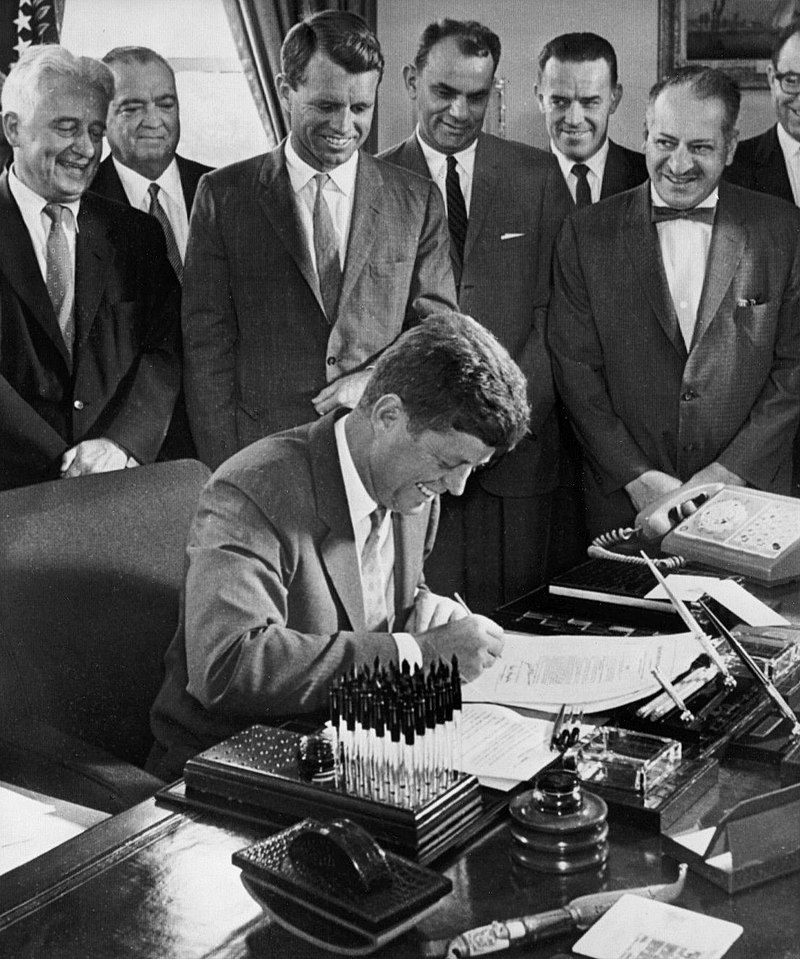
President Kennedy's Juvenile Delinquency Act: A Focus on Prevention and Rehabilitation.
United States of America
Political
5 min read
Updated By: History Editorial Network (HEN)
Published:
President John F. Kennedy signed the Juvenile Delinquency and Youth Offenses Control Act into law in the early 1960s. This legislation emerged in response to growing concerns about youth crime rates and the social conditions contributing to juvenile delinquency in the United States. The Act aimed to address and prevent juvenile delinquency through coordinated efforts that included federal support for state and local programs.
Under the new law, the federal government provided grants to states and local communities to develop and implement comprehensive plans to combat juvenile delinquency. These programs focused on education, vocational training, family counseling, and mental health services. The Act sought to promote rehabilitation over punishment, emphasizing the importance of providing at-risk youth with the tools and support needed to lead productive lives.
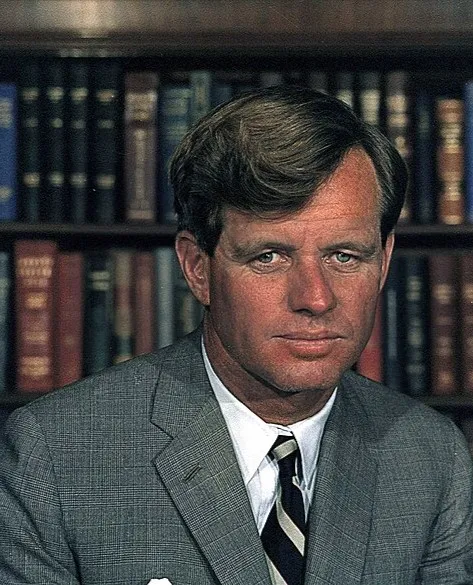
Robert F. Kennedy, the Attorney General at the time, played a crucial role in advocating for and shaping the legislation. He emphasized the need to address the root causes of juvenile delinquency, such as poverty, lack of education, and absence of community support. His involvement underscored the Kennedy administration's commitment to social reform and justice.
The Juvenile Delinquency and Youth Offenses Control Act reflected a shift in public policy towards understanding and mitigating the factors that contribute to youth crime. The Act's implementation saw numerous community-based initiatives and collaborative efforts between government entities and non-profit organizations. These initiatives aimed to create safe environments, offer opportunities for positive youth engagement, and reduce the incidence of juvenile offenses.
Statistically, juvenile crime had been on the rise during the late 1950s and early 1960s, prompting urgent calls for reform. By providing financial resources and a framework for community-level intervention, the Act sought to curb this trend and promote a more rehabilitative approach to juvenile justice.
In essence, the signing of the Juvenile Delinquency and Youth Offenses Control Act marked an important moment in the evolution of the U.S. juvenile justice system, prioritizing prevention, education, and community support over punitive measures.
#YouthJustice #JuvenileReform #CommunitySupport #PreventativeMeasures #MoofLife
Primary Reference
Robert Kennedy's Attorney General Office | JFK Library
Explore the Life Moments of
 AI Twin