FBI Wiretap on MLK and SCLC Amid Civil Rights Movement
United States of America
Political
5 min read
Updated By: History Editorial Network (HEN)
Published:
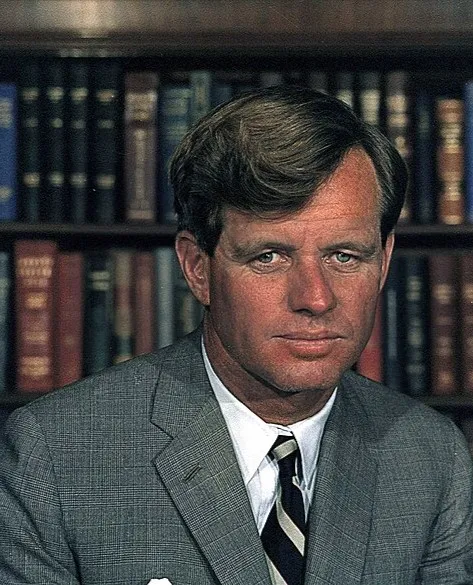
On October 1, 1963, Attorney General Robert F. Kennedy authorized the FBI to wiretap Martin Luther King Jr. and leaders of the Southern Christian Leadership Conference (SCLC). This decision emerged during the civil rights movement, a period marked by intense social and political struggles for racial equality in the United States. The request for surveillance stemmed from supposed concerns about communist influences within the civil rights movement. The FBI, led by J. Edgar Hoover, had long suspected that some civil rights activists had ties to communist organizations, despite little concrete evidence to support these claims.
Kennedy's authorization allowed the FBI to monitor King's telephone conversations and the activities of the SCLC. The surveillance aimed to gather intelligence that could potentially undermine the movement's leadership and strategies. HOOVER had a significant amount of interest in discrediting King and often exaggerated the extent of communist involvement in the civil rights movement to justify invasive surveillance measures.
The impact of this wiretapping effort was multifaceted. On a personal level for King, it represented a betrayal by the federal government, especially from an administration that had publicly supported civil rights reforms. For the SCLC, the wiretaps disrupted their operations and added layers of mistrust and paranoia among the leadership. The knowledge of being constantly monitored altered the dynamics of their planning and communication processes.
The information gathered from the wiretaps was used to attempt to discredit King both publicly and privately. Hoover and the FBI compiled extensive dossiers, which they hoped could be used to neutralize his influence. This action by the FBI planted seeds of skepticism among civil rights activists regarding government support. It also exposed severe breaches in civil liberties under the guise of national security.
Ultimately, the authorization to wiretap Martin Luther King Jr. and SCLC leaders remains a controversial chapter in American history, revealing the extent of governmental surveillance on citizens advocating for justice and equality. The federal government’s actions underscored the intersection of civil rights activism, national security, and privacy concerns during a pivotal era.
#CivilRights #Wiretap #MartinLutherKingJr #SCLC #RobertFKennedy #FBISurveillance #EqualJustice #MoofLife
Explore the Life Moments of
 AI Twin