Diplomatic Opposition to Vietnam Bombing: Robert F. Kennedy's Influence in Policy Debates
United States of America
Political
Global Trade
5 min read
Updated By: History Editorial Network (HEN)
Published:
In the mid-1960s, during the escalation of the Vietnam War, U.S. involvement in Southeast Asia was encountering increasing scrutiny and domestic opposition. Tensions over American military action in Vietnam were intensifying, with Operation Rolling Thunder, an extensive bombing campaign, at its peak. The objective was to weaken North Vietnamese capabilities and pressure the Ho Chi Minh government into negotiating peace. The campaign involved extensive aerial bombardments, causing significant destruction and escalating the conflict.
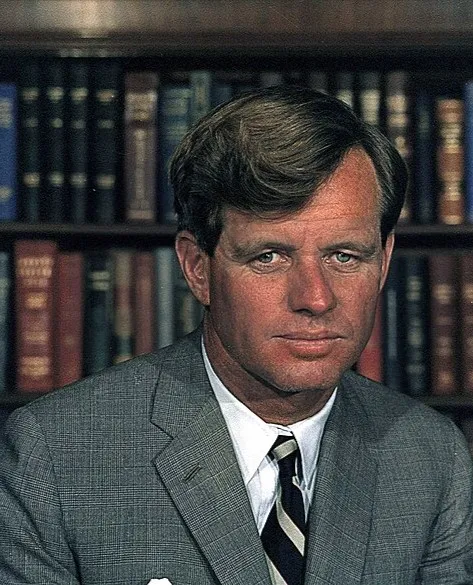
During this period, Robert F. Kennedy, then serving as a U.S. Senator, was an influential figure advocating for a more diplomatic approach. Kennedy, expressing concerns over the human cost and geopolitical consequences, argued for a temporary halt in the bombing of North Vietnam. His perspective gained traction in political circles as many citizens and officials began to share his skepticism regarding the efficacy of relentless aerial assaults in achieving lasting peace.
Kennedy's involvement included coordinated efforts with other policymakers who were critical of the bombing strategy. They emphasized increasing diplomatic endeavors over military actions. This approach aimed to create conditions favorable for negotiations with North Vietnam, hoping to secure a peace settlement. The push from Kennedy and like-minded officials underscored the growing unease in Washington about the prolonged military engagement in Vietnam.
President Lyndon B. Johnson, facing mounting domestic pressure and escalating anti-war sentiment, decided to temporarily halt the bombing in North Vietnam. This decision marked a pivot towards potentially engaging in diplomatic conversations, albeit temporarily, reflecting an acknowledgment of the broader implications of continued military action without a clear path to resolution.
This period saw a complex interplay of military strategy, political maneuvering, and public opinion in shaping U.S. policy in Vietnam. The temporary cessation of bombing highlighted the influential role of dissenting voices within the government and their ability to impact the direction of American foreign policy during a turbulent era.
#RobertFKennedy #VietnamWar #DiplomaticStrategy #USForeignPolicy #MilitaryConflict #AntiWarMovement #MoofLife
Primary Reference
LeMay's Vietnam - AiR FORcE
Explore the Life Moments of
 AI Twin