Cuban Missile Crisis: Diplomatic Resolution and De-escalation Through Secret Talks
United States of America
Political
Diplomacy
3 min read
Updated By: History Editorial Network (HEN)
Published:
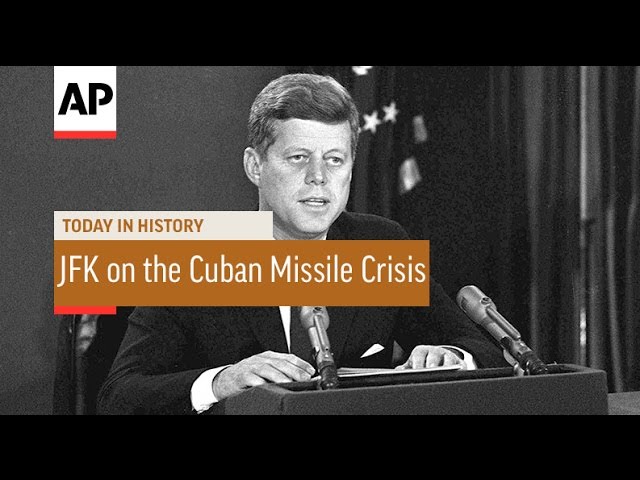
The Cuban Missile Crisis represented a turning point during the Cold War, marked by profound tension between the United States and the Soviet Union. Under the administration of President John F. Kennedy, Soviet installation of nuclear missiles in Cuba prompted fears of an imminent nuclear conflict. This prompted US officials to take urgent measures to neutralize the threat.
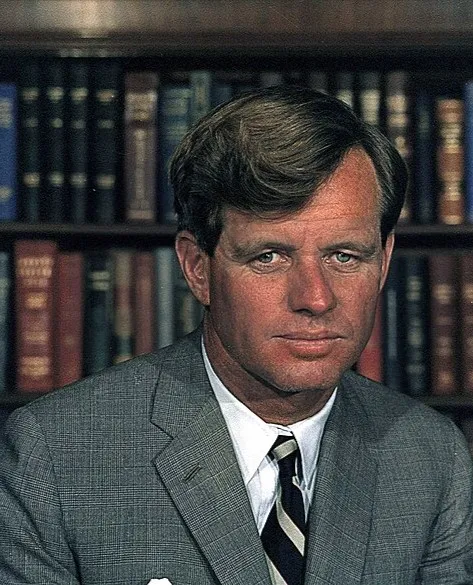
Central to the resolution of this crisis was Robert F. Kennedy's clandestine dialogue with Soviet Ambassador Anatoly Dobrynin. This back-channel communication became pivotal in easing the severe threat posed by the installed missiles. The discussions were discreetly carried out, aiming to formulate a consensus which would avert a catastrophic confrontation.
Through these negotiations, Robert F. Kennedy emphasized the immediate removal of Soviet missiles from Cuba. In return, the discussions involved the potential withdrawal of the United States' Jupiter missiles from Turkey, a decision shrouded in diplomatic sensitivity. This balance
Primary Reference
The Cuban Missile Crisis, October 1962
Explore the Life Moments of
 AI Twin