Berlin Blockade: RFK Covers Cold War Crisis with Airlift Resilience.
United States of America
Political
4 min read
Updated By: History Editorial Network (HEN)
Published:
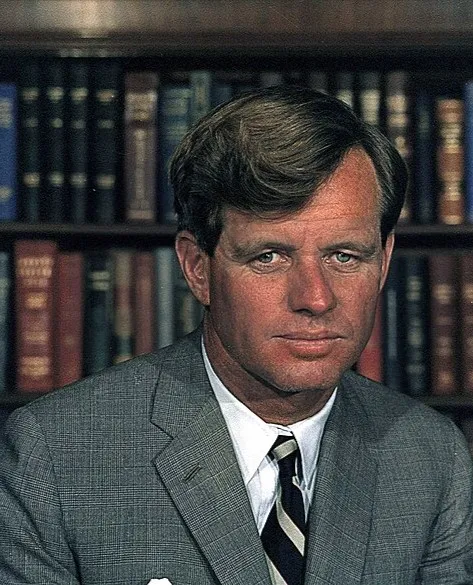
Robert F. Kennedy reported on the Berlin Blockade for The Boston Post, covering one of the pivotal incidents of early Cold War tensions. Following the end of World War II, Germany was divided into zones controlled by the Allied powers. Berlin, located in the Soviet-occupied zone, was also divided into sectors. The blockade was initiated by the Soviet Union, blocking all land and water routes to the Allied-controlled sectors of Berlin. This prevented food, supplies, and materials from reaching West Berlin, creating a humanitarian crisis and escalating geopolitical tension.
The Allied response came in the form of the Berlin Airlift. Operation Vittles, as it was known, saw American and British planes delivering vital supplies to West Berliners. During the airlift, thousands of flights were made, delivering tons of food and fuel daily. Kennedy's reporting detailed the logistical challenges faced by the pilots and the resilience of the Berliners, providing an important narrative for the American public.
The Berlin Blockade and the subsequent airlift had significant implications. It solidified the division of Germany and highlighted the growing East-West divide. The Allied success in maintaining access to West Berlin showcased the resolve of the Western powers and contributed to the formation of NATO. Kennedy's work during this period helped to inform and shape public opinion in the United States regarding the escalating conflict between Western democracies and Eastern communist regimes.
Reporting on these events provided Kennedy with firsthand experience in understanding international diplomacy and conflict management, which later influenced his political career.
#BerlinBlockade #ColdWarHistory #BerlinAirlift #RFK #MoofLife
Primary Reference
Address During the Cuban Missile Crisis | JFK Library
Explore the Life Moments of
 AI Twin