Tripartite Periodization in Florentine History
Italy
Florence
Periodization
4 min read
Updated By: History Editorial Network (HEN)
Published:
Updated:
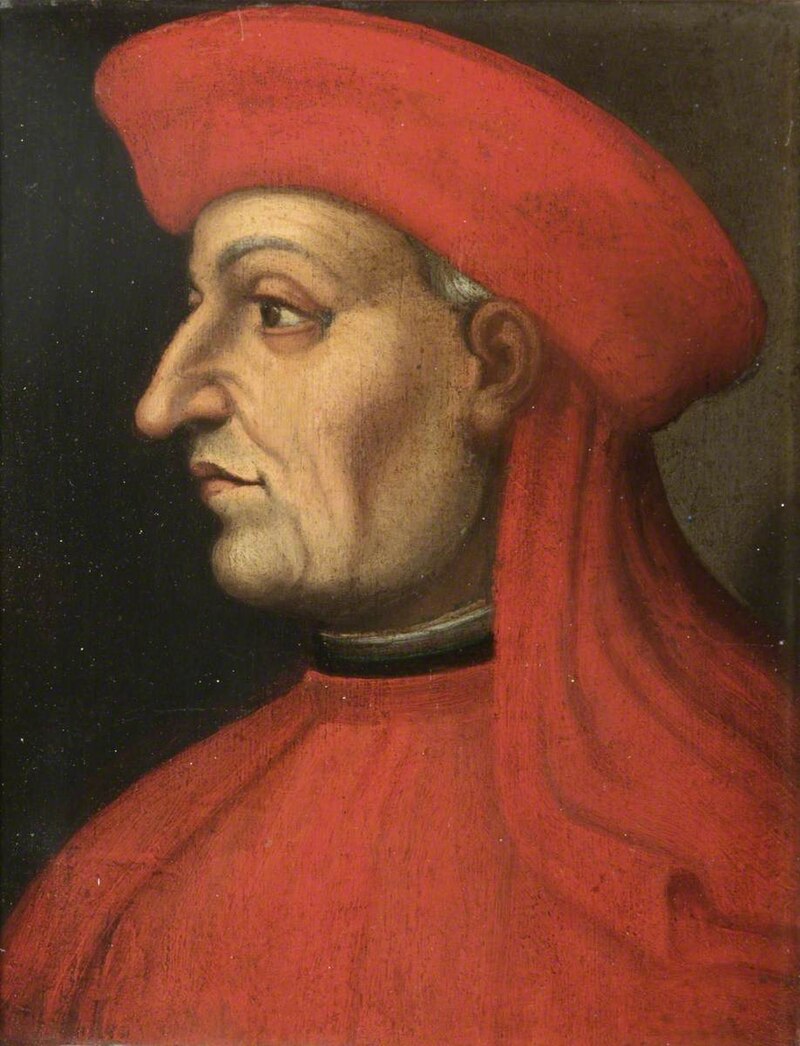
Leonardo Bruni introduced the concept of tripartite periodization in his work, _History of the Florentine People_. This framework was significant in the context of Italian history, particularly as it reflected the evolving perception of Italy's cultural and political landscape. Bruni's approach was influenced by the earlier ideas of Petrarch, who characterized his own time as an age of national eclipse. However, Bruni diverged from Petrarch by proposing a third period, indicating a shift in his belief that Italy was emerging from a state of decline. This addition marked a pivotal change in how historians viewed the progression of Florentine and Italian history, suggesting a recovery and renewal rather than a continuous descent into darkness. Bruni's tripartite model not only provided a structured way to analyze historical events but also contributed to the broader Renaissance discourse on the nature of history and progress.
The impact of Bruni's tripartite periodization extended beyond mere categorization; it influenced subsequent historians and scholars in their interpretations of historical narratives. By framing history in three distinct phases, Bruni encouraged a more nuanced understanding of the past, allowing for a recognition of both decline and resurgence. This method of periodization became a foundational element in the study of history, particularly in the context of the Renaissance, as it underscored the dynamic nature of cultural and political developments. The tripartite model has since been adopted and adapted by various historians, reflecting its lasting significance in the field of historical analysis. Bruni's work exemplifies how historical frameworks can shape our understanding of societal progress and the complexities of national identity.
#mooflife
#MomentOfLife
#FlorentineHistory
#TripartitePeriodization
#LeonardoBruni
#Renaissance
#HistoricalAnalysis

Explore the Life Moments of
 AI Twin