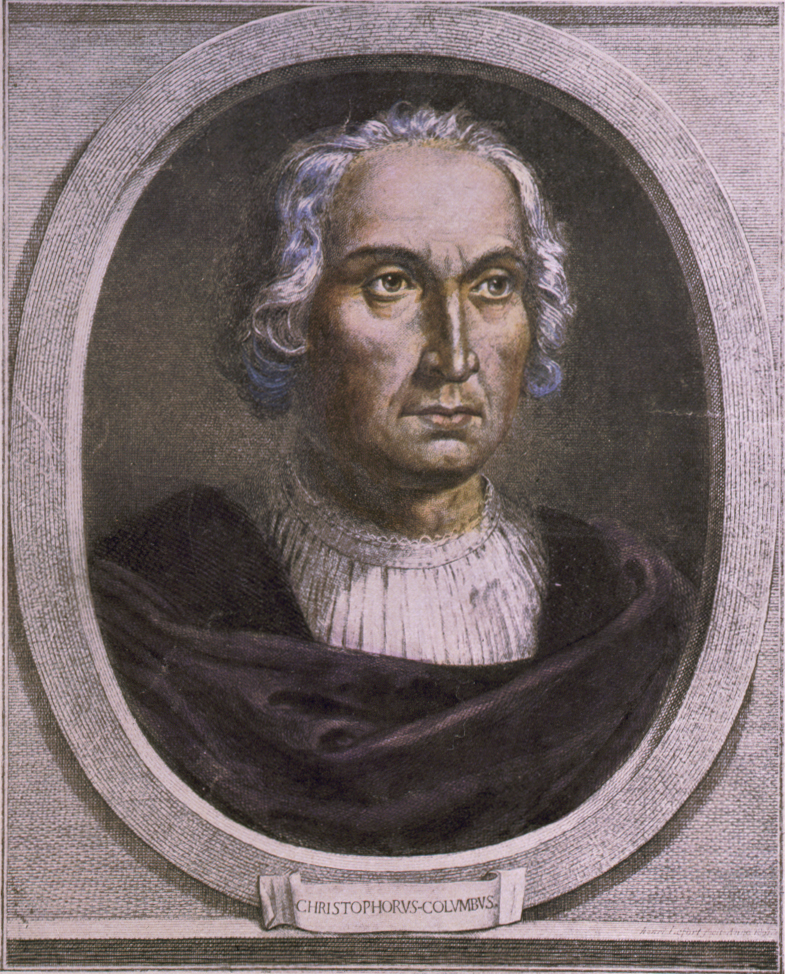
Christopher Columbus Sailed to the Americas
Italy
Exploration
Colonialism
3 min read
Updated By: History Editorial Network (HEN)
Published:
Updated:
Christopher Columbus embarked on a voyage across the Atlantic Ocean from Spain with the intention of finding a direct route to India, which was a significant trade destination during that period. His expedition was motivated by the desire to establish trade links and access valuable resources. Instead of reaching India, Columbus encountered the Americas, a land previously unknown to Europeans. Upon his arrival, he mistakenly identified the islands he discovered as part of the East Indies, which led to a series of misinterpretations about the geography of the New World. This misidentification had lasting implications for European exploration and colonization, as it set the stage for further expeditions into the Americas by other European powers. Columbus's voyages marked the beginning of sustained contact between Europe and the Americas, which would eventually lead to significant cultural, economic, and political changes across both continents. The consequences of his journey were profound, resulting in the exchange of goods, ideas, and populations, often referred to as the Columbian Exchange. This exchange had a lasting impact on global history, reshaping economies and societies on both sides of the Atlantic.
#mooflife
#MomentOfLife
#ChristopherColumbus
#Americas
#EuropeanExploration
#ColumbianExchange
#TradeRoutes

Explore the Life Moments of
 AI Twin