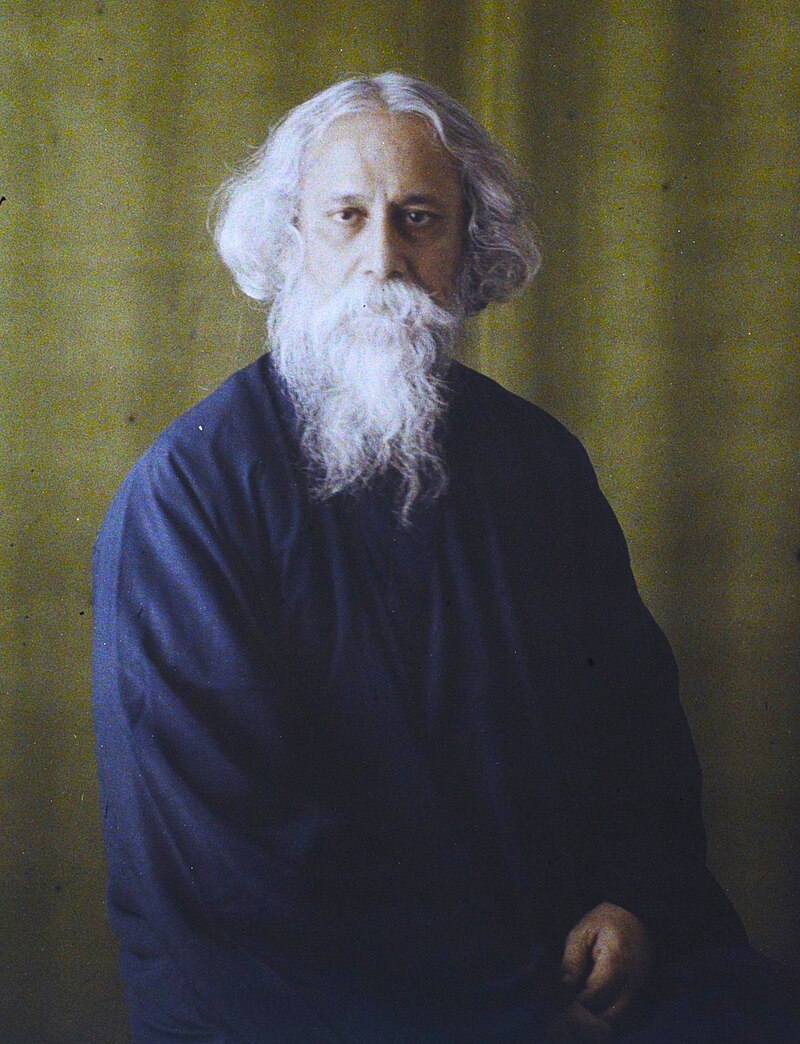
Tagore's Influence on Indian Independence Movement
India
Literature
Independence
4 min read
Updated By: History Editorial Network (HEN)
Published:
Updated:
Rabindranath Tagore, a prominent figure in Indian literature and culture, played a complex role in the Indian independence movement. While he supported the idea of India's independence, he was critical of the extreme nationalist sentiments that characterized some factions of the movement. In his essay "The Cult of the Charkha," Tagore expressed his disapproval of the Swadeshi movement, which aimed to promote Indian goods and boycott British products. He argued that such a narrow focus on nationalism could lead to a form of exclusion that was counterproductive to India's broader aspirations. Tagore believed that true independence required not only self-reliance but also an openness to learning from other cultures and nations. This perspective was significant in shaping a more inclusive vision of independence that transcended mere economic self-sufficiency.
Tagore's views resonated with many who sought a balanced approach to independence, one that did not dismiss the value of global engagement. His emphasis on cultural exchange and mutual respect highlighted the importance of a holistic understanding of freedom. By advocating for a synthesis of indigenous and foreign influences, Tagore contributed to a discourse that encouraged a more nuanced understanding of national identity. His stance also influenced other intellectuals and leaders within the independence movement, prompting discussions about the nature of freedom and the role of culture in nation-building. Tagore's legacy in this context is marked by his ability to challenge prevailing notions of nationalism while still advocating for India's right to self-determination, thus leaving a lasting impact on the ideological landscape of the independence movement.
#mooflife
#MomentOfLife
#Tagore
#IndianIndependence
#SwadeshiMovement
#Nationalism
#CulturalExchange
Primary Reference
Rabindranath Tagore

Explore the Life Moments of
 AI Twin