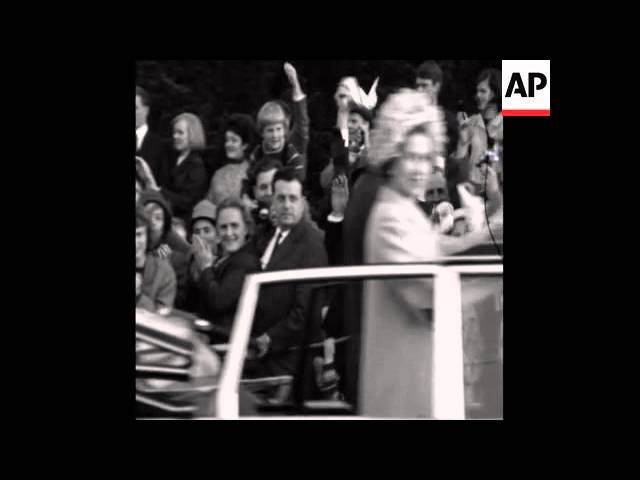
Historic State Visit to West Germany

Political
4 min read
Updated By: History Editorial Network (HEN)
Published:
Queen Elizabeth II's visit to West Germany marked a pivotal event in post-World War II European diplomacy. This was the first state visit by a British monarch to Germany since the end of the war, representing a significant step in the reconciliation efforts between the two nations. The visit underscored the gradual normalization of relations and the shared commitment to rebuilding trust.
During her stay, Queen Elizabeth II engaged in numerous activities aimed at highlighting the burgeoning friendship. She met with various political leaders, including the German President Heinrich Lübke and Chancellor Ludwig Erhard. The Queen also attended ceremonies honoring the dead of both World Wars, paying respects at memorials such as the Soviet War Cemetery and the St. Paul's Church in Frankfurt, which holds historical significance as the site of Germany's first democratic assembly.
The visit attracted substantial media attention. It symbolized a watershed moment, with an estimated three million Germans turning out to welcome the Queen. Coverage across major newspapers and television networks highlighted the enthusiastic reception she received. The event served not only as a diplomatic gesture but also encouraged closer economic and cultural ties between the United Kingdom and West Germany.
The ramifications of this visit extended beyond diplomatic circles. It stood as a testament to the power of soft diplomacy in bridging divides between former adversaries. The Queen’s presence in the country provided an impetus for further collaboration in areas such as trade, technology, and education. Subsequently, bilateral relations saw notable improvements, characterized by increased economic partnerships and cultural exchanges.
#MoofLife #DiplomaticRelations #RoyalVisit #PostWarReconciliation #UKGermanyRelations
Primary Reference
Queen Elizabeth in Germany: It is important to remember the ...
Explore the Life Moments of
 AI Twin