Annus Horribilis: A Speech in London

Political
4 min read
Updated By: History Editorial Network (HEN)
Published:
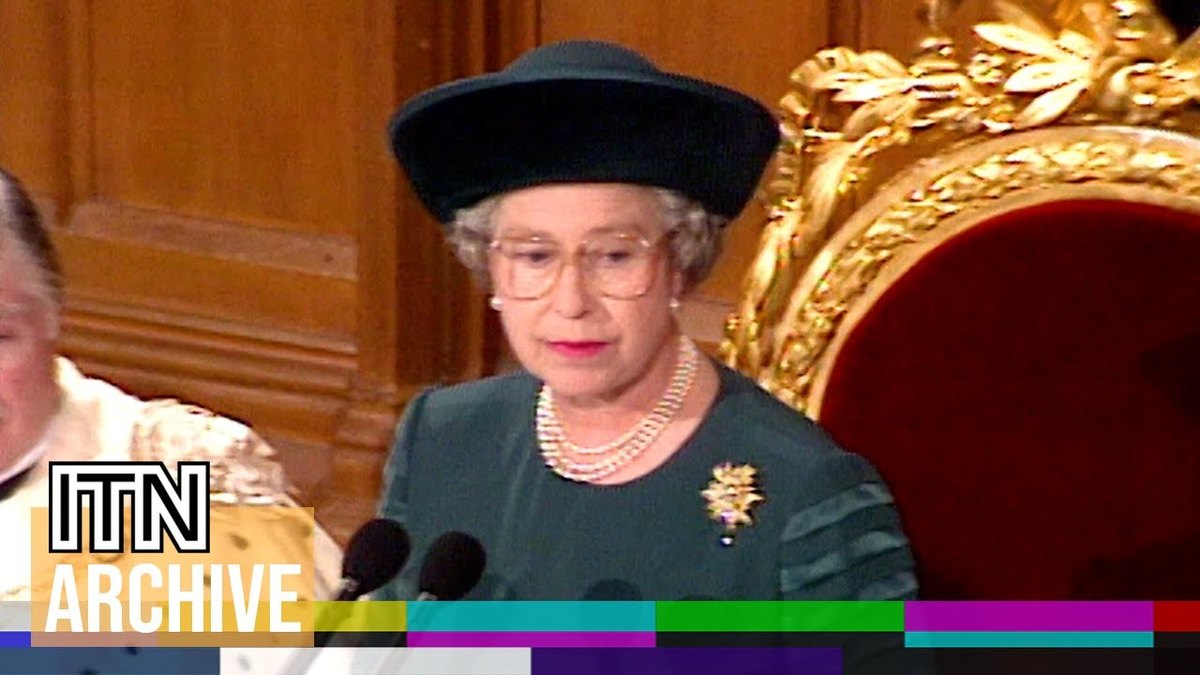
Elizabeth II famously referred to a particular year in history as her 'annus horribilis' (Latin for 'horrible year') during a speech in the City of London. Several distressing events contributed to this description. Notably, three of her four children's marriages experienced significant turmoil. The separation of her son, Prince Charles, from Princess Diana drew widespread media attention and public scrutiny. Meanwhile, Princess Anne finalized her divorce from Captain Mark Phillips, further adding to the series of familial disruptions.
Additionally, Prince Andrew's separation from Sarah Ferguson also made headlines. These personal family issues cast a shadow over the royal family's public image, drawing both national and international focus.
Compounding these problems, Windsor Castle suffered extensive damage due to a significant fire. The blaze not only caused a substantial financial burden for repairs but also stirred debate regarding public funding for the royal residence. This incident prompted discussions about the monarchy's role and the appropriateness of taxpayer money being utilized for such repairs.
Throughout all these adversities, the Queen maintained a calm and resolute demeanor in her public appearances. Her famous speech, acknowledging the difficulties of that year, marked a rare moment of personal reflection and vulnerability from a monarch usually seen as reserved.
The events underscored the challenges the British monarchy faced in maintaining relevance and connection with the public amidst personal and financial crises. They also emphasized the human elements behind the institution, showcasing how even the most time-honored establishments are not immune to adversity.
#MoofLife #ElizabethII #RoyalFamily #WindsorFire #RoyalMarriageTroubles #PublicScrutiny
Primary Reference
A speech by The Queen on the 40th Anniversary of her succession ...
Explore the Life Moments of
 AI Twin