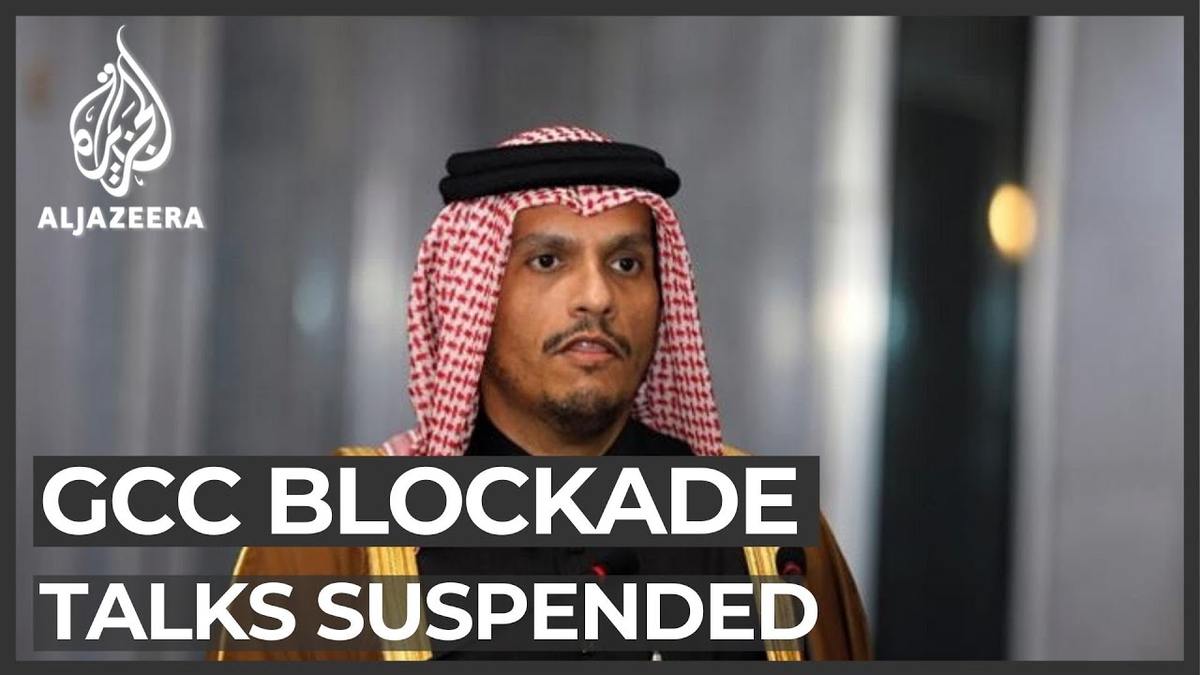
End of blockade with reconciliation agreement at GCC summit
Qatar
Political
Economics
5 min read
Updated By: History Editorial Network (HEN)
Published:
The Gulf Cooperation Council (GCC) summit marked a turning point in regional relations as Qatar and several neighboring countries reached a reconciliation agreement. The blockade, initiated by Saudi Arabia, the United Arab Emirates, Bahrain, and Egypt, had isolated Qatar both economically and diplomatically. It began amidst accusations that Qatar supported terrorism and maintained excessively close links with Iran, allegations that Qatar consistently denied.
The blockade deeply affected Qatar, leading to decreased trade volumes and disruptions in the supply chain. Food imports plummeted by more than 40% initially, causing significant strain on the local market. Qatar, however, adapted quickly by forging new trade routes, strengthening domestic production, and entering into agreements with Turkey and Iran, among others.
Bilateral relations within the GCC significantly hampered during the blockade. Joint economic projects stalled, and families with members across borders faced considerable hardship. The Al-Ula declaration, named after the summit's host city, included terms to restore full diplomatic ties, lift the air and land blockades, and resume economic cooperation.
The reconciliation holds substantial economic implications. The IMF projected that lifting the blockade would boost Qatar's GDP by a significant percentage, primarily due to restored trade and investment opportunities. Airlines and other transportation sectors would witness an immediate benefit, as airspace restrictions on Qatari airlines would lift, cutting down travel time and fuel costs.
Politically, the reconciliation enhances the GCC's ability to present a united front on various regional issues, such as tensions with Iran and the conflict in Yemen. Moreover, the agreement provides a platform for renewed dialogue and cooperation, essential for regional stability and security.
The GCC summit's outcomes also signal a potential thaw in relations, demonstrating a willingness to mend bridges and move forward from past grievances. The resolution of this crisis serves as a reminder of the complexities and interdependencies within international relations, specifically among neighboring states with shared cultural and economic ties.
#GCCSummit #Diplomacy #Economics #RegionalStability #QatarCrisis #MoofLife

Explore the Life Moments of
 AI Twin