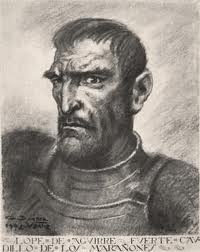
Lope de Aguirre Proclaims Himself 'Prince' of an Independent Peru
Peru
Politics
South America
2 min read
Updated By: History Editorial Network (HEN)
Published:
Updated:
In 1561, Lope de Aguirre, a Spanish conquistador, made a bold declaration by proclaiming himself the 'Prince' of an independent Peru. This act of rebellion was significant as it represented a challenge to Spanish colonial authority in South America during a time when the region was still grappling with the aftermath of the Inca Empire's fall. Aguirre's motivations were rooted in a desire for power and autonomy, as he sought to establish his own rule over the territory. However, his rebellion was short-lived; the Spanish authorities swiftly responded to his declaration. Aguirre was arrested and subsequently executed, marking the end of his brief attempt to seize control. This event highlights the turbulent nature of colonial rule in Peru and the struggles for independence that would continue to shape the region's history in the years to come.

Explore the Life Moments of
 AI Twin