Expulsion of the Jesuits by the Spanish Crown
Paraguay
Colonial Studies
Latin American Studies
4 min read
Updated By: History Editorial Network (HEN)
Published:
Updated:
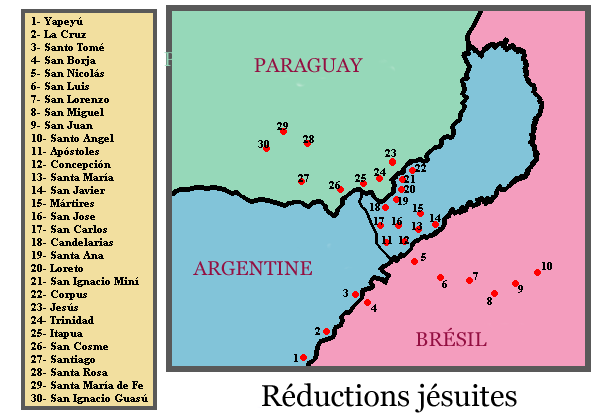
In 1767, a significant turning point in the history of Paraguay occurred with the expulsion of the Jesuits by the Spanish Crown. This event marked the end of the Jesuit missions and reductions that had thrived in eastern Paraguay for approximately 150 years. The Jesuits played a crucial role in the region, not only in the conversion of the native Guaraní people to Christianity but also in the introduction of European agricultural practices, education, and cultural exchanges. Their missions were characterized by a unique socio-economic structure that allowed the Guaraní to maintain a degree of autonomy while benefiting from European knowledge and resources. The expulsion led to a dramatic shift in the social and cultural landscape of Paraguay. Without the Jesuits, the Guaraní communities faced increased vulnerability to colonial exploitation and a decline in their previously established social order. The absence of Jesuit support also contributed to Paraguay's gradual transition into a more peripheral colony within the Spanish Empire, as the region lost its previous prominence as a center of missionary activity and cultural exchange. This expulsion not only affected the immediate socio-economic conditions but also had long-lasting implications for Paraguay's identity and development, influencing its trajectory towards independence in the early 19th century. The legacy of the Jesuit missions remains a significant chapter in Paraguay's history, reflecting the complex interplay between colonial powers and indigenous cultures.
#Mooflife #Mof #MomentOfLife #JesuitExpulsion #ParaguayHistory #GuaraníCulture #SpanishColonialism #1767Events

Explore the Life Moments of
 AI Twin