Spanish Navigator Names New Guinea: Impact of European Exploration & Colonialism in Pacific.

| Global Trade | Political |
Updated By: History Editorial Network (HEN)
Published:
4 min read
During his exploratory voyage in the Pacific, Spanish navigator Yñigo Ortiz de Retez encountered an island previously unknown to Europeans. Retez observed the indigenous people and noted a striking resemblance between these inhabitants and the peoples of the Guinea coast in Africa. This observation led him to name the island "Nueva Guinea" or New Guinea.
Retez's naming of New Guinea was influenced by the broader context of 16th-century navigation and exploration, marked by intense European efforts to chart unknown territories and claim them. This expansion was driven by a desire for new trade routes, natural resources, and strategic advantages. Retez's voyage was part of these larger expeditions sponsored by Spain, which sought to maintain a competitive edge over other European maritime powers.
The naming of New Guinea reflected European tendencies of the time to impose familiar names and frameworks on unfamiliar lands and peoples. This act of naming was significant within the context of European colonialism and discovery, establishing a European presence in the region and influencing future interactions and records concerning the island.
The lasting impact of Retez's expedition is evident in the continued use of the name New Guinea, a reminder of the historical intersections between European explorers and indigenous populations. It also underscores the beginnings of European influence in the Pacific, which would later shape the political, social, and cultural dynamics of the region.
#MoofLife #History #Exploration #Colonialism #Navigation #PapuaNewGuinea
Primary Reference: PAPUA NEW GUINEA
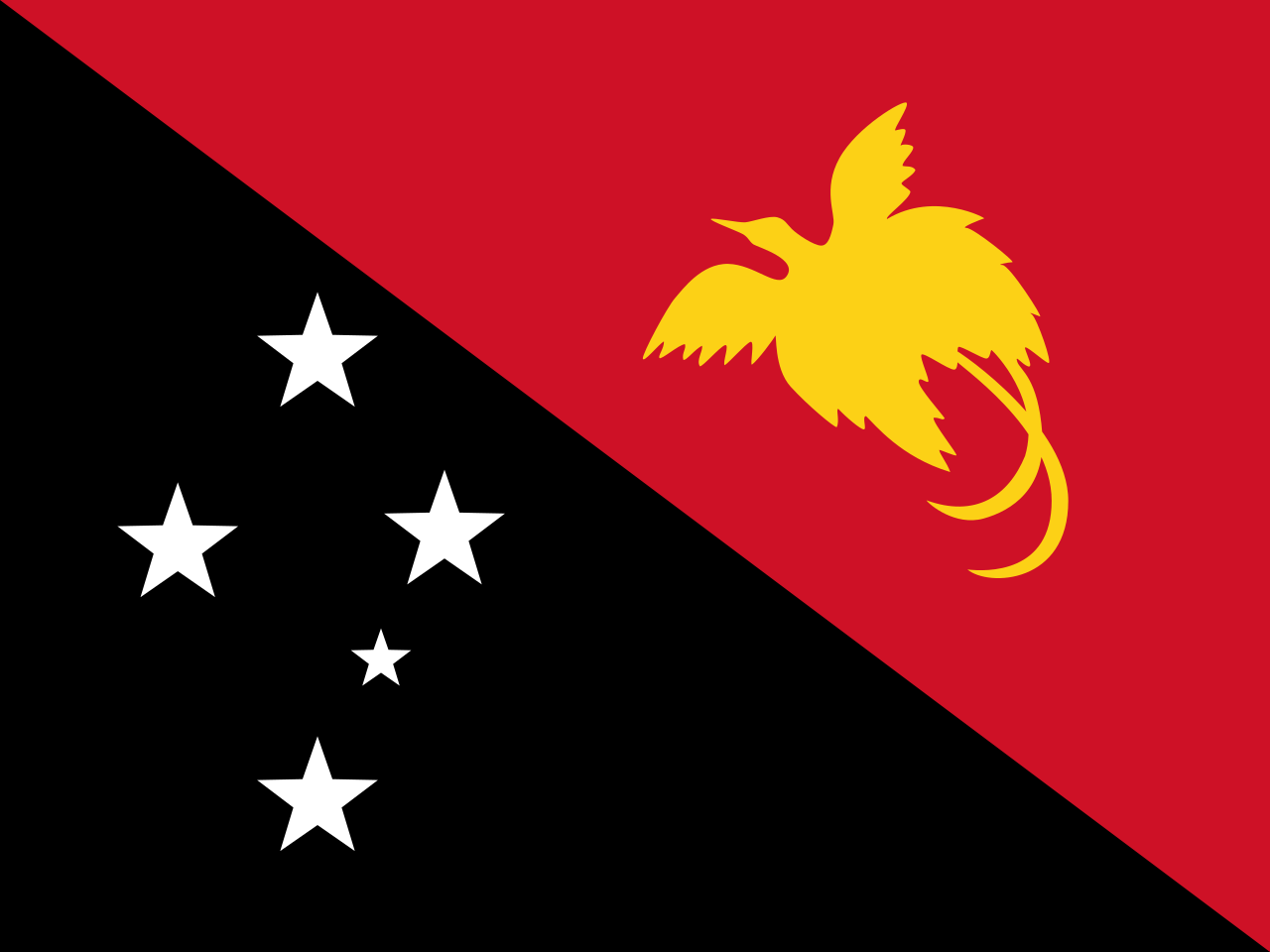
Explore the Life Moments of Papua New Guinea |