US Treaty Representing Panamanian Interests with John Hay
Panama
Politics
International Relations
2 min read
Updated By: History Editorial Network (HEN)
Published:
Updated:
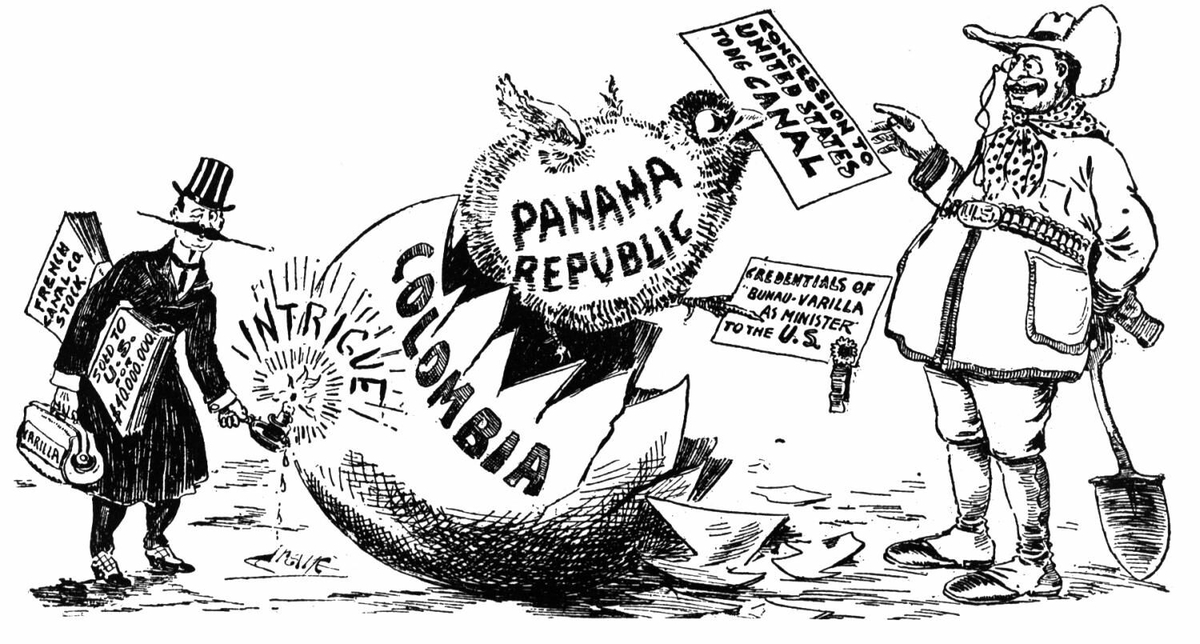
The Hay–Bunau-Varilla Treaty was a pivotal agreement between the United States and Panama, negotiated shortly after the U.S. recognized Panama as an independent nation. Philippe Bunau-Varilla, a French engineer and the newly appointed Panamanian ambassador to the U.S., represented Panamanian interests in the negotiations. The treaty granted the United States the rights to construct and control a canal across the Isthmus of Panama, a strategic waterway that would significantly enhance maritime trade routes. In addition to canal construction, the treaty established U.S. sovereignty over a strip of land on either side of the canal, known as the Panama Canal Zone, which extended approximately five miles wide. This arrangement allowed the U.S. to maintain military and administrative control over the area, ensuring the canal's security and operational efficiency.
#mooflife
#MomentOfLife
#PanamaCanal
#Hay-bunau-varillaTreaty
#U.s.-panamaRelations
#CanalConstruction
#PhilippeBunau-varilla
Primary Reference
Hay–Bunau-Varilla Treaty

Explore the Life Moments of
 AI Twin