Colombia's Treaty Signed by Rafael Reyes Government
Panama
Political
Sustainability
3 min read
Updated By: History Editorial Network (HEN)
Published:
Updated:
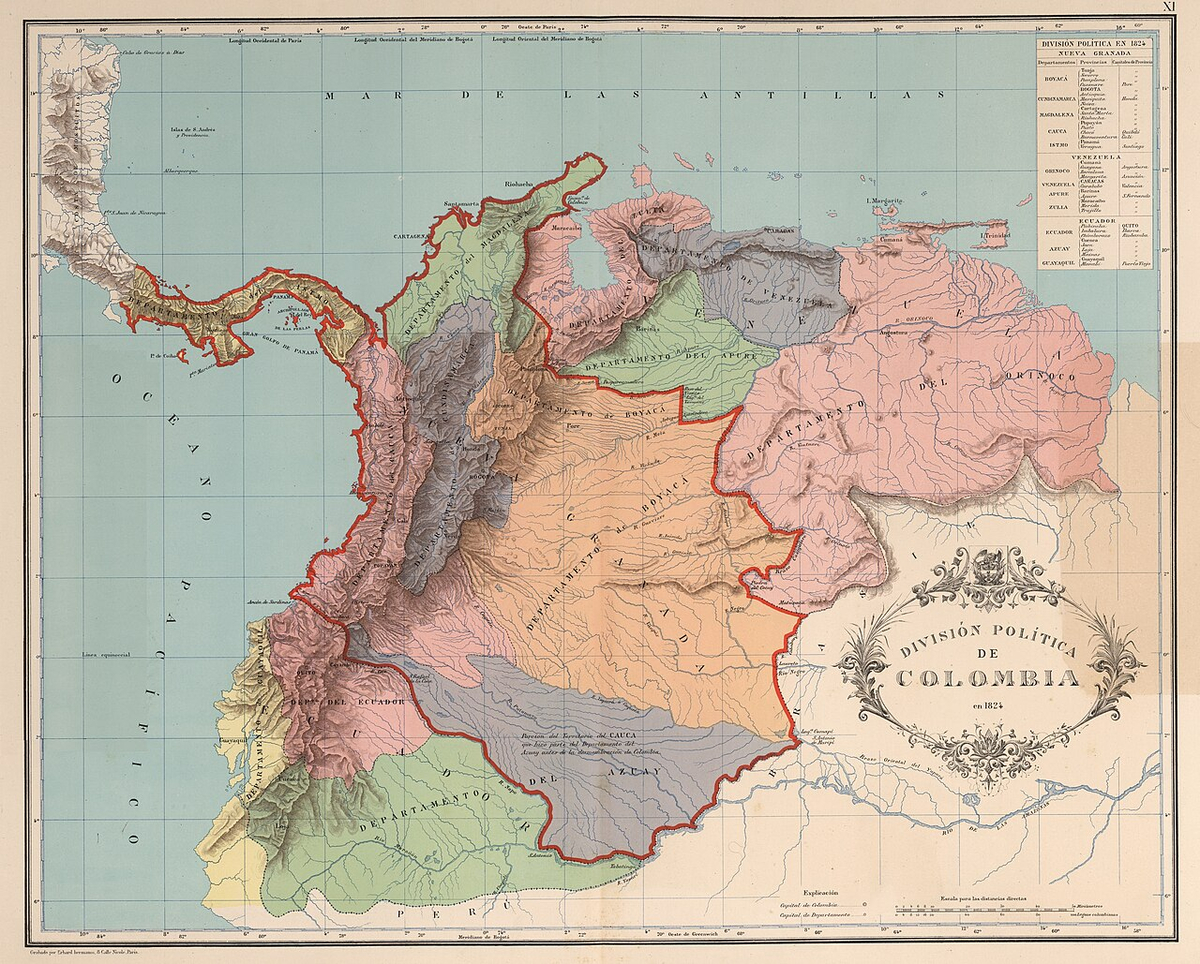
The Colombian Treaty regarding Panama was a pivotal agreement presented by the government of Rafael Reyes. This treaty aimed to officially recognize Panama's separation from Colombia, a significant geopolitical shift that followed the earlier Hay–Bunau-Varilla Treaty between the United States and Panama. The Colombian government sought to formalize this recognition in an effort to stabilize relations with the newly independent Panama and the United States, which had played a crucial role in Panama's secession. Despite the government's intentions, the treaty faced substantial opposition from both the public and legislative bodies within Colombia. This resistance stemmed from national sentiments regarding the loss of territory and concerns over sovereignty. As a result, the treaty was ultimately not ratified, reflecting the complexities of Colombian politics and the lingering impact of Panama's independence on national identity and governance. The failure to ratify the treaty underscored the challenges faced by the Reyes administration in navigating the aftermath of Panama's separation and the broader implications for Colombian foreign policy.
#mooflife
#MomentOfLife
#Colombia
#Panama
#RafaelReyes
#Treaty
#Geopolitics

Explore the Life Moments of
 AI Twin