Strategic Conquest of Angaur Island: Crucial for Pacific Campaign Success
Palau
Global Trade
Military
4 min read
Updated By: History Editorial Network (HEN)
Published:
Updated:
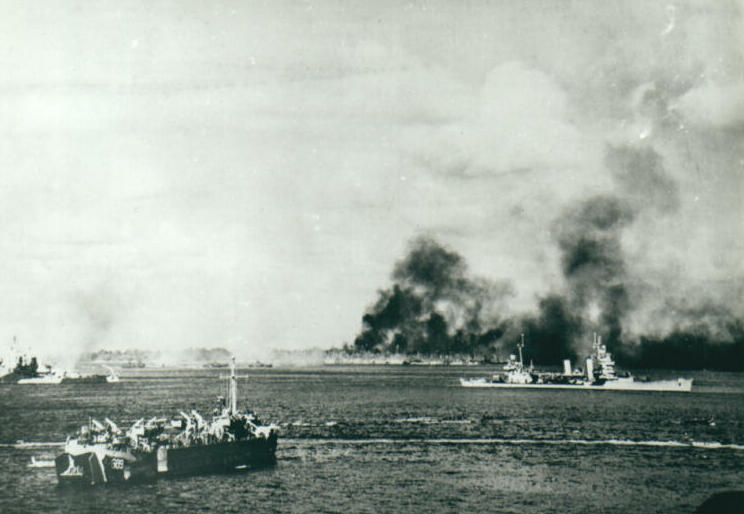
The strategic conquest of Angaur Island by American forces was a crucial operation during the Pacific Campaign. Situated among the Palau Islands, Angaur's capture followed the broader objective to neutralize Japanese strongholds in the Pacific and pave the way for further operations towards the Philippines and Japan.
Prior to the American landing, Angaur was fortified by approximately 1,400 Japanese troops. The island's defenses featured extensive cave systems and fortified bunkers, which posed significant challenges to the invading forces. Despite these obstacles, U.S. Army units, including the 81st Infantry Division, commenced an assault with support from naval bombardment and aerial attacks. The American forces engaged in intense combat, employing coordinated ground tactics to dismantle the defensive positions and secure key areas of the island.
Securing Angaur Island allowed the United States to establish vital airfields and bases, crucial for launching subsequent operations. The airstrips on Angaur provided strategic leverage, facilitating air support and logistical operations across the northern islands. This victory also marked a critical step in the island-hopping strategy aimed at isolating and overcoming Japanese positions in the Pacific.
Casualty reports indicate that the battle resulted in significant losses on both sides; nonetheless, the operation was deemed a success for American forces. The establishment of bases on Angaur underscored the U.S. military's increasing dominance in the region, setting the stage for further offensives that would eventually lead to Japan's surrender.
#MoofLife #WWII #PacificTheater #AngaurIsland #MilitaryStrategy

Explore the Life Moments of
 AI Twin