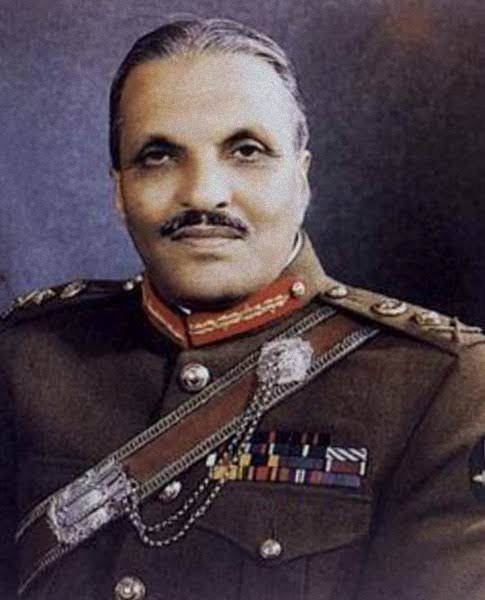
General Zia-ul-Haq's Plane Crash Leads to Civilian Rule Reinstatement
Pakistan
Political
4 min read
Updated By: History Editorial Network (HEN)
Published:
General Zia-ul-Haq, known for his military rule since 1977, met an unexpected demise in a plane crash alongside several high-ranking officials. This incident marked a significant shift in the political landscape of Pakistan, leading to the restoration of civilian rule in the country.
General Zia-ul-Haq's rule was characterized by strict martial law, censorship, and suppression of political dissent. His policies impacted various aspects of Pakistani society, including the economy, culture, and foreign relations. The plane crash brought an abrupt end to his authoritarian regime, creating a vacuum that paved the way for a transition to civilian governance.
Following General Zia-ul-Haq's death, the reins of power were handed over to civilian leaders who began the process of rebuilding the political infrastructure. The restoration of civilian rule brought hopes of democratic reform and progress, with promises to uphold civil liberties and ensure greater political participation from the populace.
The event underscored the fragile nature of political stability in Pakistan and highlighted the importance of a balanced power structure. It also sparked debates about the role of the military in governance and the need for a system of checks and balances to prevent authoritarian rule in the future.
In conclusion, the death of General Zia-ul-Haq in a plane crash was a pivotal moment in Pakistani history, as it marked the end of military dictatorship and the restoration of civilian rule. It served as a catalyst for political change and set the stage for a new era of governance in the country. #Pakistan #CivilianRule #PoliticalTransition

Explore the Life Moments of
 AI Twin