Picasso's Rose Period: Shift to Cheerful Colors & Circus Themes in Paris Art Scene
Spain
Art
Entertainment
4 min read
Updated By: History Editorial Network (HEN)
Published:
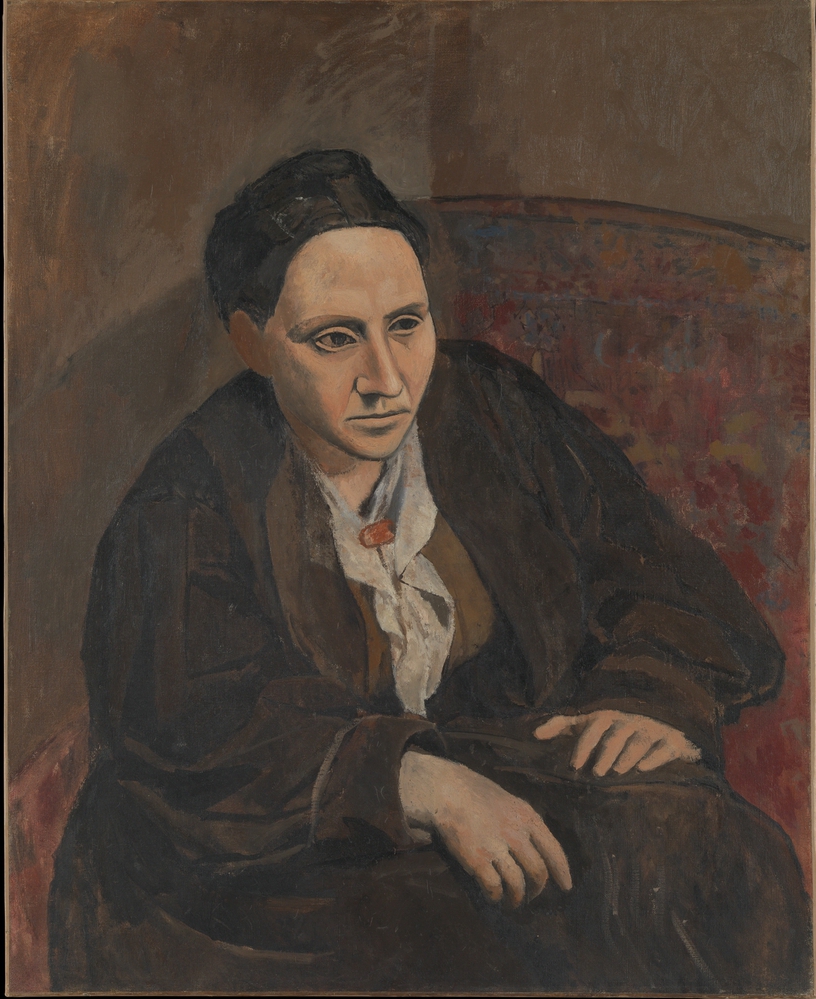
After moving to Paris and finding a new direction in his artwork, Pablo Picasso experienced a pivotal period. He began using warmer colors, marking a distinct change from the cooler tones of his earlier Blue Period. This shift introduced what would come to be known as Picasso's Rose Period.
During this time, Picasso produced works characterized by a lighter, more cheerful color scheme that included pinks, reds, and oranges. These works often depicted circus performers, including acrobats, harlequins, and clowns, reflecting his fascination with the circus life which he frequently visited. This thematic shift signaled not just a change in palette but also a move towards more optimistic and whimsical subjects.
This period brought significant attention to Picasso, as his evolving style attracted patrons and collectors. His Rose Period works, such as "The Family of Saltimbanques" and "Acrobat and Young Harlequin," began to fetch higher prices, bolstering his standing in the art world.
The Rose Period served not only to complete Picasso's departure from the somber themes of his Blue Period but also laid the groundwork for future explorations in form and style. His use of circus imagery linked his work to contemporaneous developments in European modernism, where themes of performance, spectacle, and everyday life gained importance.
Moreover, the symbolic and emotional range of the Rose Period was crucial in Picasso's artistic journey, highlighting his capacity for diverse expression. This period remains a critical chapter in understanding the evolution of modern art.
#Picasso #ArtHistory #RosePeriod #ModernArt #CircusPerformers #MoofLife
Primary Reference
Pablo Picasso Rose Period (0)
Explore the Life Moments of
 AI Twin