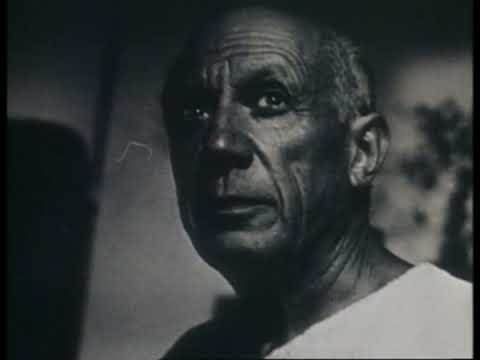
Pablo Picasso's Early Artistic Development and Maturation: A Journey Towards Mastery.
Spain
Art
Talent
4 min read
Updated By: History Editorial Network (HEN)
Published:
Pablo Picasso, a prodigious talent from an early age, grew up surrounded by art and creativity. His father, an art teacher, recognized Pablo's potential and provided him with formal training, nurturing his skills. In his early teens, Picasso's art displayed a remarkable level of precision and detail, yet it still carried a certain juvenile quality.
As Pablo immersed himself in learning and expressing through his art, his works began to reflect a deeper understanding of form, technique, and emotion. A notable example of this transition can be seen in his paintings from this period, where he moved away from the rigidity of academic styles and began to experiment with more fluid and expressive forms. This era marked a shift from the static representations of his childhood to more dynamic compositions, indicating his burgeoning maturity as an artist.
The impact of Picasso's evolving style was profound. His ability to capture the essence of his subjects not only demonstrated technical prowess but also a sophisticated grasp of human emotions and experiences. This period laid the groundwork for the groundbreaking work he would later produce, which would challenge and redefine artistic conventions.
Throughout this time, Picasso's participation in various art circles and exhibitions helped him gain exposure and critical recognition. He was not just a young artist with potential; he was quickly becoming a force to be reckoned with in the art world. His journey from a talented child to a mature artist was punctuated by a continuous quest for innovation and self-expression.
#PabloPicasso #ArtEvolution #MoofLife
Primary Reference
A Word about Content versus Technique
Explore the Life Moments of
 AI Twin