Pablo Picasso's Blue Period: Grief-inspired art brings recognition and success.
Spain
Art
4 min read
Updated By: History Editorial Network (HEN)
Published:
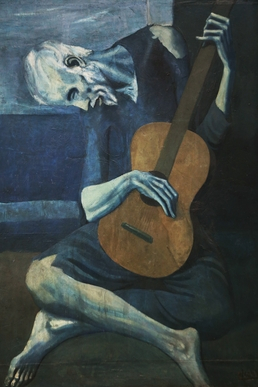
Pablo Picasso, a young and ambitious Spanish painter, was deeply affected by the passing of his close friend, Carlos Casagemas. This event profoundly influenced his work, marking a dramatic shift in his artistic output. The period that followed saw Picasso almost exclusively exploring themes of melancholy, poverty, and human suffering. He utilized predominantly blue and blue-green hues, which gave this phase of his career its name, the "Blue Period."
During this time, Picasso produced a number of noteworthy works, including "La Vie," "The Old Guitarist," and "Woman with Folded Arms." These paintings are characterized by their somber mood and introspective quality. They often depict desolate figures, conveying a sense of despair and alienation.
This shift in his palette and subject matter did not go unnoticed. Art critics and collectors began to see Picasso not merely as a promising artist but as one capable of bringing deep emotional and psychological insights to his work. Economically, although initially not very successful, the Blue Period eventually solidified his reputation in the art world, leading to increased recognition and financial stability in subsequent years.
The Blue Period was pivotal for Picasso as it demonstrated his ability to channel personal grief into a powerful artistic form. It set the stage for his later exploration in Cubism and other avant-garde movements. Paintings from this period are housed in prominent museums and are considered priceless contributions to early 20th-century art.
#Picasso #ArtHistory #BluePeriod #Influence #ModernArt #Melancholy #ArtWorld #MoofLife
Primary Reference
Picasso's Blue Period - Wikipedia
Explore the Life Moments of
 AI Twin