Nazi "Degenerate Art" Auction: Defiance Against Censorship of Modern Art
Spain
Art
4 min read
Updated By: History Editorial Network (HEN)
Published:
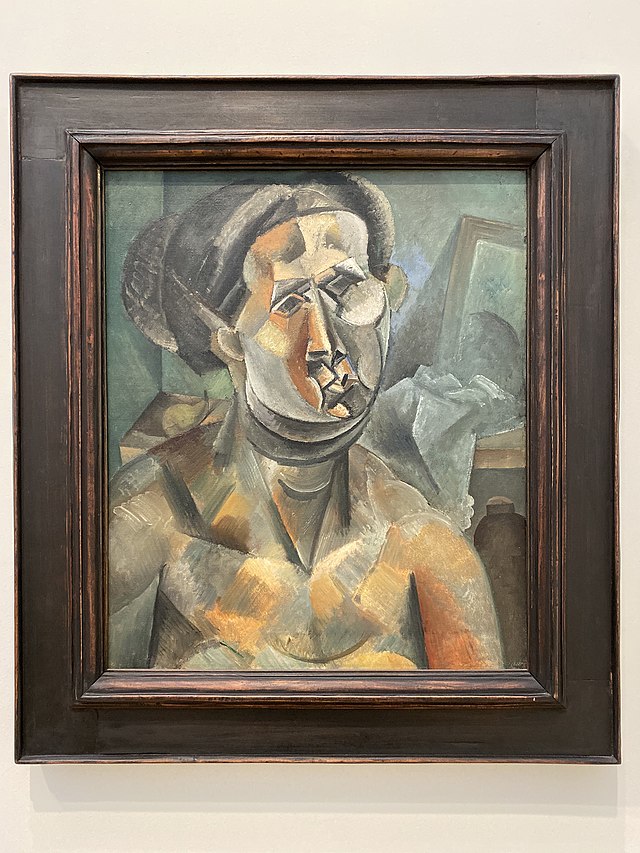
During the spring of 1938, a Swiss newspaper published a report about an auction featuring works labeled as "degenerate art." Among the notable pieces were Pablo Picasso's "Head of a Woman" and "Two Harlequins." This event highlighted the ongoing purge of modern art by the Nazi regime, which deemed such works as subversive and un-German.
The Degenerate Art Auction was part of a broader campaign by the Nazis to rid German culture of modernist influences. This series of actions began with exhibitions in Germany that aimed to ridicule and criticize these artworks, categorizing them as morally corrupt and economically worthless.
Picasso, a prominent figure in the modern art movement, had his works forcibly included alongside pieces by other avant-garde artists such as Wassily Kandinsky and Paul Klee. His involvement in the auction signified the dismissiveness of the Nazi regime towards artistic innovation and freedom of expression. These artworks were confiscated from German museums, where they had initially been acquired due to their cultural and historical significance.
The auction itself attracted international attention, drawing collectors and art enthusiasts who recognized the incongruity between the regime's condemnation and the intrinsic value of the pieces. As a result, many of the works were purchased and preserved, preventing their potential destruction which was a fate faced by other confiscated items. This paradox of condemnation and value underscored the tension between the regime’s ideology and the global art community's perception.
The event highlighted the efforts to safeguard cultural heritage in the face of oppressive regimes. Through the auction, Picasso's work continued to gain recognition and support, challenging the totalitarian stance on cultural suppression.
#Picasso #DegenerateArt #ArtHistory #CulturalHeritage #MoofLife
Primary Reference
Pablo Picasso - Wikipedia
Explore the Life Moments of
 AI Twin