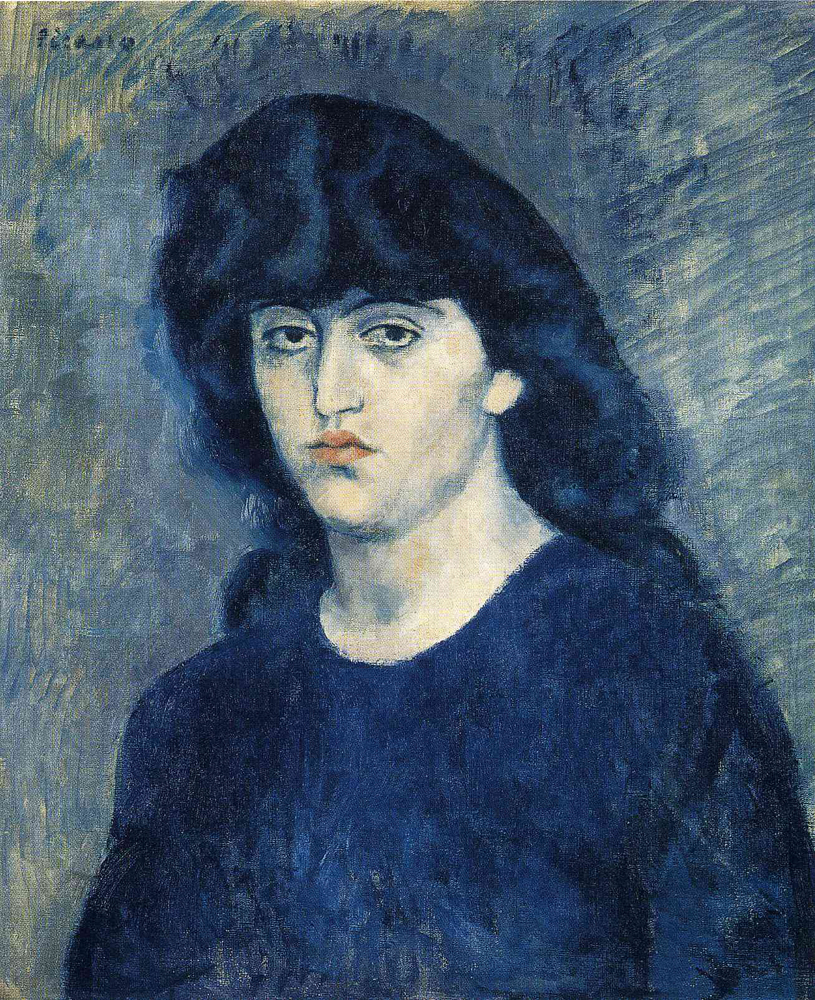
Blue Period: Picasso's melancholic masterpieces reflect personal tragedies and societal hardships with profound emotional depth.
Spain
Art
Emotional Art
4 min read
Updated By: History Editorial Network (HEN)
Published:
Pablo Picasso began his Blue Period as a direct response to personal tragedies and societal influences around him. He had been deeply affected by the suicide of his close friend, Carlos Casagemas. This emotional turmoil propelled him into a phase where his artworks became dominated by blue tones, symbolizing melancholy and reflecting themes of poverty, isolation, and suffering.
During this period, Picasso's palette was predominantly blue, complemented occasionally by green. This shift allowed him to explore profound human emotions and social commentary in his paintings. Works such as "The Old Guitarist," "La Vie," and "Woman with Folded Arms" emerged, each portraying figures that exude sadness and contemplation. The blue hues accentuated the mournful atmosphere, resonating with a broader audience who could relate to themes of loss and despair.
The economic environment and the social milieu also influenced his work. At this time, many parts of Europe were experiencing poverty and harsh social conditions, which Picasso keenly observed and captured in his work. This period marked a stark contrast from his previous cheerful and brightly colored paintings, indicating a deliberate shift towards conveying more serious and somber subject matter.
This phase had a significant impact on his career. It signaled his evolution as an artist capable of profound emotional depth. The Blue Period garnered attention and respect from art critics and collectors alike, establishing Picasso as a formidable artist.
#MoofLife, #BluePeriod, #PabloPicasso, #ArtHistory, #EmotionalDepth, #MelancholyArt
Primary Reference
Pablo Picasso Blue Period
Explore the Life Moments of
 AI Twin