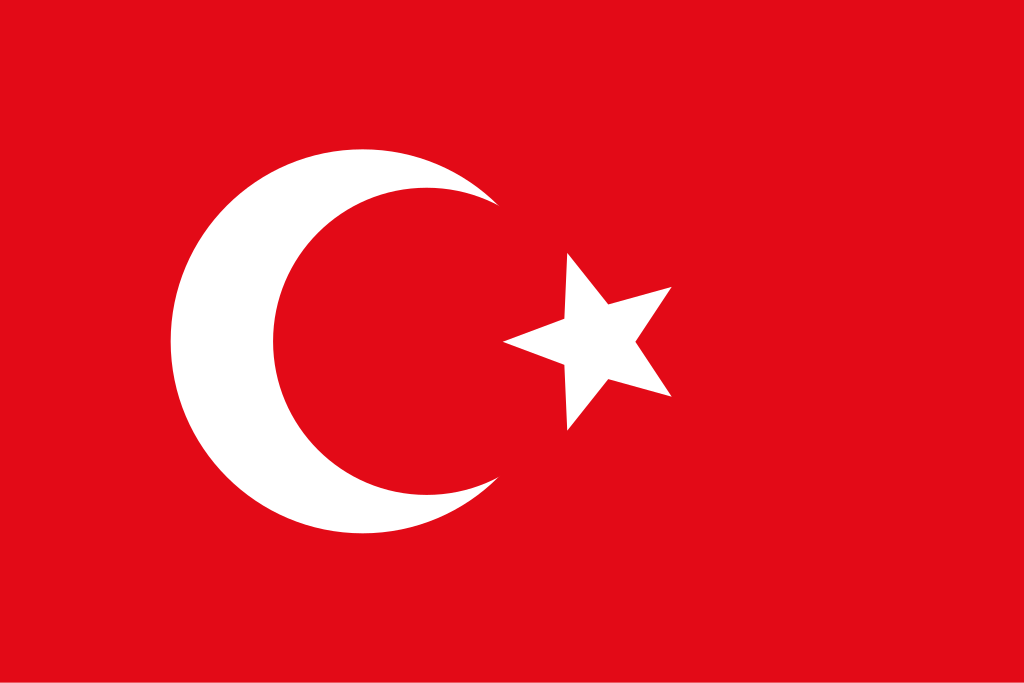
Dissolution of the Ottoman Empire
Turkey
Historical Events
Empires
Modern History
3 min read
Updated By: History Editorial Network (HEN)
Published:
Updated:
The dissolution of the Ottoman Empire in the early 20th century marked a major change in regional and global political structures. After more than six centuries of rule, the empire experienced a prolonged period of weakening influenced by military losses, economic strain, and increasing nationalist movements among its diverse populations. World War I accelerated these developments, and following the defeat of the Central Powers, large parts of Ottoman territory were redistributed under agreements led by the Allied powers.
Sultan Mehmed VI, the last Ottoman ruler, remained in power during this period of transition but departed the country before the formal end of the empire. In 1923, the Republic of Turkey was established, with Ankara designated as its capital, replacing the former imperial system with a new national government structure.
The transition involved a series of political, legal, and social reforms that reshaped state institutions and public life. In 1924, the abolition of the caliphate ended an institution that had historically been associated with leadership in the Muslim world, contributing to broader changes in political and religious authority in the region.
#mooflife
#MomentOfLife
#OttomanEmpire
#Dissolution
#RepublicOfTurkey
#MehmedVi
#Caliphate
Primary Reference
Dissolution of the Ottoman Empire

Explore the Life Moments of
 AI Twin