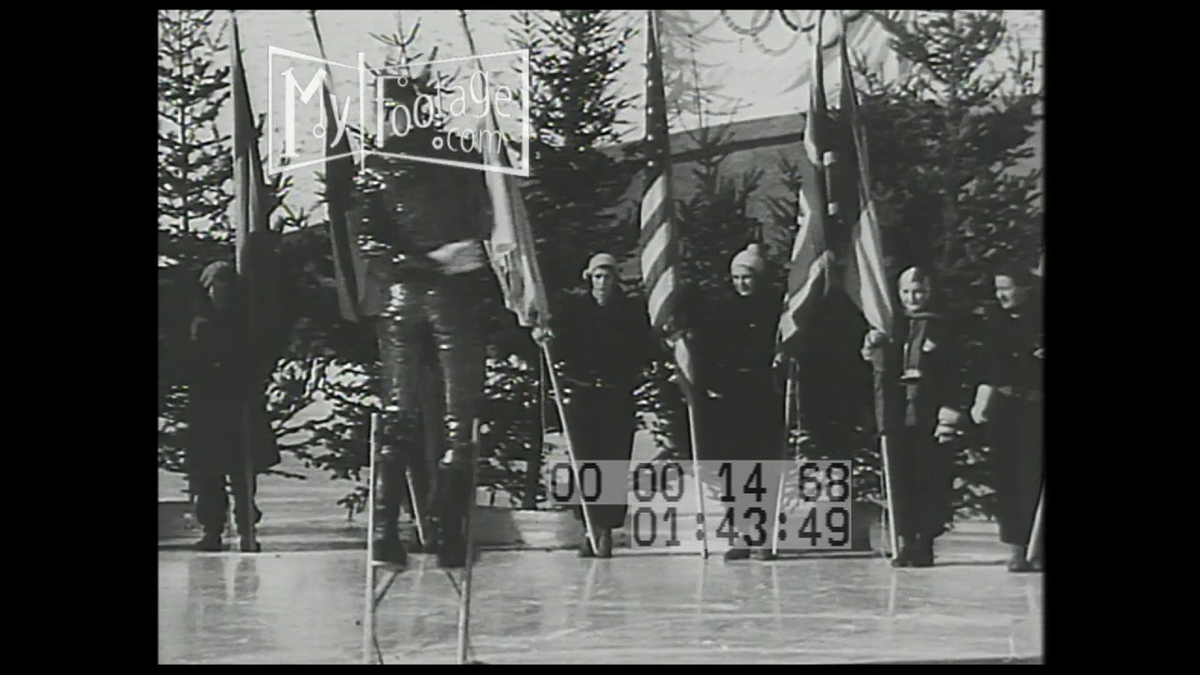
United States, Lake Placid Olympics from 4-Feb-1932 to 13-Feb-1932
Greece
Sport
10 min read
Updated By: History Editorial Network (HEN)
Published:
In Lake Placid during the Olympics, the United States showcased its dominance in winter sports. Athletes from various countries participated in disciplines like figure skating, ice hockey, speed skating, and ski jumping. The venue's picturesque surroundings added to the event's charm and allure.
The 1932 Winter Olympics, held in Lake Placid, New York, from February 4 to February 13, 1932, were officially known as the III Olympic Winter Games. These Games marked the first time the Winter Olympics were hosted by the United States and showcased the emerging popularity of winter sports in North America.
Lake Placid, a small village in the Adirondack Mountains, was selected as the host city due to its established reputation as a winter sports destination. The village had previously hosted national and international competitions, and its natural beauty and excellent facilities made it an ideal location for the Winter Olympics.
A total of 252 athletes from 17 countries participated in the 1932 Lake Placid Winter Olympics, competing in 14 events across 4 sports: bobsleigh, ice hockey, figure skating, and skiing (including cross-country skiing, ski jumping, and Nordic combined).
The opening ceremony on February 4, 1932, was a grand and festive event attended by New York Governor Franklin D. Roosevelt, who would later become the President of the United States. The ceremony featured a parade of athletes, followed by the raising of the Olympic flag and the playing of the Olympic Anthem. Governor Roosevelt declared the Games open, emphasizing the spirit of international friendship and competition.
One of the most notable aspects of the 1932 Lake Placid Winter Olympics was the participation of Scandinavian countries, which had a strong tradition in winter sports. Norway emerged as the dominant nation, winning a total of 10 medals, including 3 golds, 4 silvers, and 3 bronzes.
In the skiing events, Johan Grøttumsbråten of Norway was a standout performer, winning gold in the Nordic combined event and silver in the 18 km cross-country skiing. Grøttumsbråten's dominance in these endurance events showcased the skill and resilience of Norwegian skiers.
The figure skating competitions were held at the Olympic Arena, an indoor facility that provided excellent conditions for the athletes. Karl Schäfer of Austria won gold in the men's singles figure skating, while Sonja Henie of Norway defended her title from the 1928 St. Moritz Olympics by winning gold in the women's singles figure skating. Henie's graceful and athletic performances captivated the audience, earning her widespread acclaim and solidifying her status as one of the greatest figure skaters of all time.
The ice hockey tournament featured four teams: Canada, the United States, Germany, and Poland. The Canadian team, represented by the Winnipeg Hockey Club, dominated the competition, winning all six of their matches and securing the gold medal. The United States won silver, while Germany took bronze. The tournament showcased the growing popularity and competitiveness of ice hockey on the international stage.
Bobsleigh events were held on the newly constructed Mount Van Hoevenberg track, which provided a thrilling and challenging course for the competitors. The United States excelled in these events, winning gold in both the two-man and four-man bobsleigh. Billy Fiske, who had previously won gold in the 1928 St. Moritz Olympics, led the American team to victory in the four-man bobsleigh event.
One of the unique aspects of the 1932 Lake Placid Winter Olympics was the inclusion of demonstration sports such as dog sled racing and speed skiing. These events added an element of excitement and novelty to the Games, attracting significant interest from spectators.
The 1932 Lake Placid Winter Olympics were not without challenges. The Great Depression, which had a profound impact on the global economy, affected the participation and organization of the Games. Many countries faced financial difficulties, and some were unable to send full delegations. Despite these challenges, the resilience and determination of the athletes, coupled with the enthusiasm of the spectators, ensured the success of the Games.
The closing ceremony on February 13, 1932, marked the end of a highly successful and well-organized Olympic Games. Medals were awarded to the winners, and the athletes bid farewell to Lake Placid, leaving behind a legacy of winter sports excellence and international camaraderie. The success of the Lake Placid Games demonstrated the potential of the Winter Olympics to unite nations and celebrate athletic achievement on a global scale.
The legacy of the 1932 Lake Placid Winter Olympics is reflected in the continued growth and development of the Winter Olympic movement. The Games showcased the diversity and excitement of winter sports, setting new standards for future competitions. The success of the Lake Placid Games also highlighted the importance of proper organization and the need for international cooperation in hosting the Olympics.
#MomentsOfLife #MoofLife_Moment #MoofLife #LakePlacidOlympics #UnitedStatesDominance #WinterSportsExcellence

Explore the Life Moments of
 AI Twin