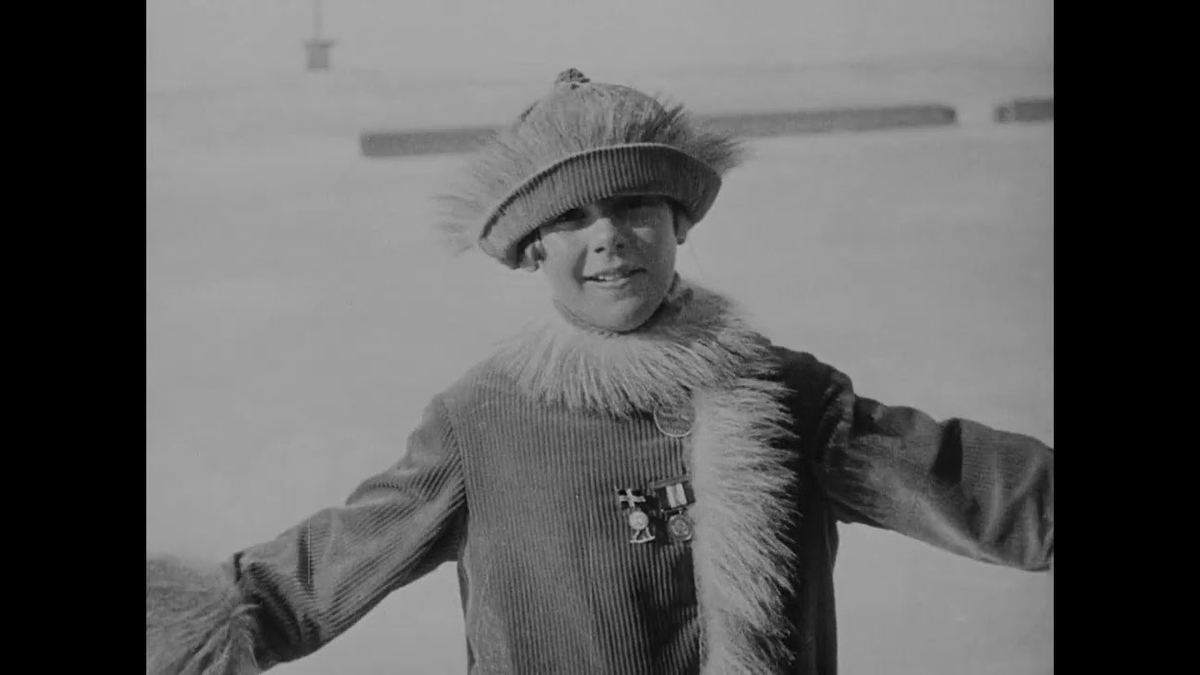
France, Chamonix Olympics from 25-Jan-1924 to 5-Feb-1924
Greece
Sport
10 min read
Updated By: History Editorial Network (HEN)
Published:
The 1924 Winter Olympics, officially known as the I Olympic Winter Games, were held in Chamonix, France, from January 25 to February 5, 1924. These Games marked the debut of the Winter Olympics, providing a platform for winter sports to be celebrated on an international stage. Organized by the French National Olympic Committee and the International Olympic Committee (IOC), the Chamonix Games were a landmark event in the history of the Olympic movement.
Chamonix, a picturesque town nestled in the French Alps, was an ideal location for the Winter Olympics due to its stunning natural scenery and well-developed winter sports infrastructure. The decision to hold a separate Winter Olympics was influenced by the growing popularity of winter sports and the success of figure skating and ice hockey events in previous Summer Olympics.
A total of 258 athletes from 16 countries participated in the 1924 Chamonix Winter Olympics, competing in 16 events across six sports: bobsleigh, curling, ice hockey, military patrol, figure skating, and skiing (including cross-country skiing, ski jumping, and Nordic combined).
The opening ceremony on January 25, 1924, was a modest but heartfelt event. The athletes paraded into the Chamonix Olympic Stadium, followed by speeches from dignitaries, including Gaston Vidal, the French Minister of Public Instruction and Fine Arts. The ceremony emphasized the spirit of international friendship and competition, setting the tone for the Games.
One of the most notable aspects of the 1924 Chamonix Winter Olympics was the enthusiastic participation of Scandinavian countries, which had a strong tradition in winter sports. Norway emerged as the dominant nation, winning a total of 17 medals, including 4 golds, 7 silvers, and 6 bronzes.
In the skiing events, Thorleif Haug of Norway was a standout performer, winning three gold medals in the 18 km cross-country skiing, 50 km cross-country skiing, and Nordic combined events. Haug's dominance in these endurance events showcased the skill and resilience of Norwegian skiers.
The figure skating competitions were held outdoors at the Chamonix Ice Rink, adding an element of natural beauty to the performances. Gillis Grafström of Sweden won gold in the men's singles figure skating, successfully defending his title from the 1920 Antwerp Olympics. Herma Szabo of Austria won gold in the women's singles figure skating, becoming the first female Olympic champion in the sport.
The ice hockey tournament featured eight teams, with Canada dominating the competition. The Toronto Granites, representing Canada, won all five of their matches, scoring 110 goals and conceding only 3. Their remarkable performance secured the gold medal, with the United States winning silver and Great Britain taking bronze.
The 1924 Chamonix Winter Olympics also featured the sport of curling, which was contested as a demonstration event. Teams from Great Britain, Sweden, and France participated, with Great Britain emerging as the unofficial winner. Curling's inclusion in the Winter Olympics highlighted the diversity of winter sports and the potential for future growth.
The military patrol event, a precursor to modern biathlon, combined cross-country skiing and rifle shooting. The Swiss team won gold in this event, showcasing their skills in both endurance and marksmanship.
Bobsleigh events were held on the newly constructed bobsleigh track in Chamonix. The Swiss team, led by Eduard Scherrer, won gold in the four-man bobsleigh event, demonstrating their mastery of this thrilling and high-speed sport.
One of the unique aspects of the 1924 Chamonix Winter Olympics was the inclusion of the Nordic combined event, which combined ski jumping and cross-country skiing. Thorleif Haug of Norway won gold in this event, adding to his impressive medal tally and further establishing his legacy as one of the greatest winter athletes of his time.
The 1924 Chamonix Winter Olympics were not without challenges. The weather conditions were harsh, with heavy snowfall and cold temperatures affecting some events. However, the resilience and determination of the athletes, coupled with the enthusiasm of the spectators, ensured the success of the Games.
The closing ceremony on February 5, 1924, marked the end of the first Winter Olympics. Medals were awarded to the winners, and the athletes bid farewell to Chamonix, leaving behind a legacy of winter sports excellence and international camaraderie. The success of the Chamonix Games paved the way for the establishment of the Winter Olympics as a regular part of the Olympic movement, celebrated every four years alongside the Summer Olympics.
The 1924 Chamonix Winter Olympics demonstrated the potential of winter sports to capture the imagination of the world and bring together athletes from diverse backgrounds to compete in a spirit of friendship and mutual respect. The legacy of these Games continues to inspire winter sports enthusiasts and athletes around the globe.
#MomentsOfLife #MoofLife_Moment #MoofLife #ChamonixOlympics #WinterSports #AthleticExcellence #FrenchAlps

Explore the Life Moments of
 AI Twin