Brazil, Rio de Janeiro Olympics from 5-Aug-2016 to 21-Aug-2016
Greece
Sport
10 min read
Updated By: History Editorial Network (HEN)
Published:
The 2016 Summer Olympics, held in Rio de Janeiro, Brazil, from August 5 to August 21, 2016, were officially known as the Games of the XXXI Olympiad. These Games were significant for being the first Olympics held in South America, the remarkable athletic performances, and the vibrant cultural celebrations that characterized the event.
Rio de Janeiro was chosen as the host city in 2009, overcoming competition from cities such as Madrid, Tokyo, and Chicago. The selection was met with great enthusiasm by the Brazilian population, and the city prepared extensively for the Games. New facilities were constructed, including the Maracanã Stadium, the Olympic Aquatics Stadium, and the Barra Olympic Park.
A total of 11,238 athletes from 207 countries participated in the 2016 Rio Olympics, competing in 306 events across 28 sports. These Games saw the debut of rugby sevens and golf, reflecting the evolving nature of the Olympic program.
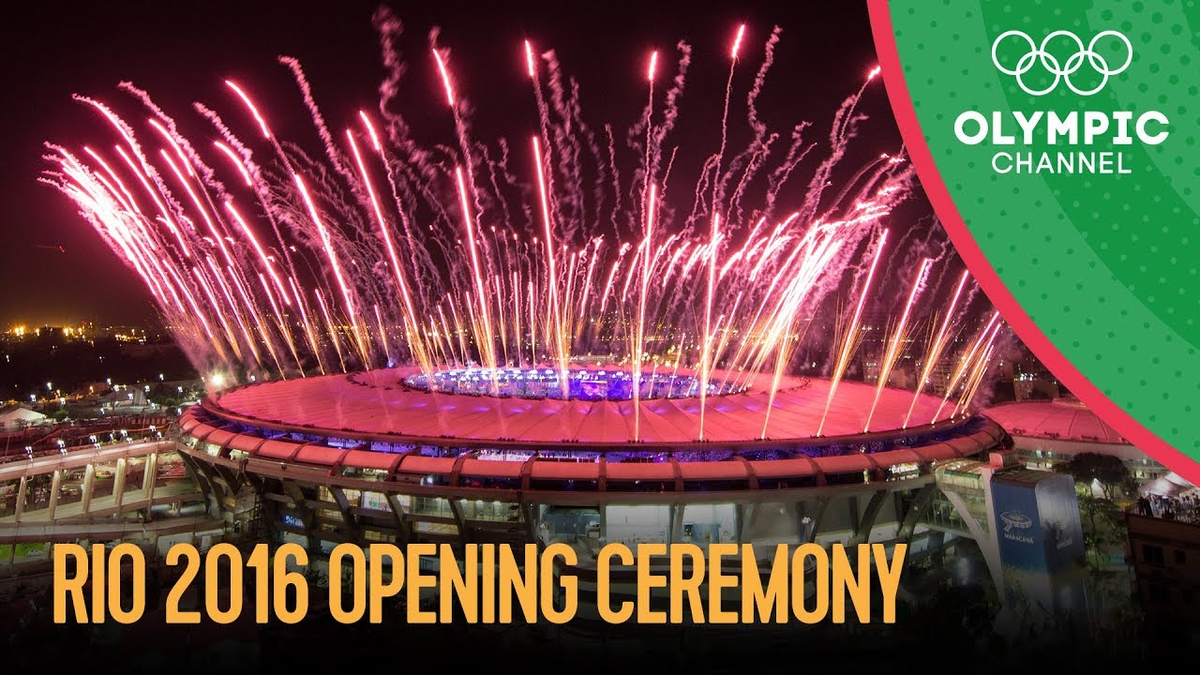
The opening ceremony on August 5, 2016, was a grand and meticulously organized event, attended by interim President Michel Temer of Brazil and a large crowd of spectators. The ceremony featured a parade of athletes from all participating nations, followed by the raising of the Olympic flag and the playing of the Olympic Anthem. The ceremony also included a stunning artistic performance that showcased Brazilian culture and history, emphasizing the spirit of international friendship and competition.
One of the most notable aspects of the 2016 Rio Olympics was the enthusiastic participation of athletes from around the world. The inclusion of new countries and sports marked a significant moment in Olympic history, as it reflected the growing diversity and inclusivity of the Games.
In athletics, Usain Bolt of Jamaica once again emerged as the standout athlete, winning gold medals in the 100 meters, 200 meters, and 4x100 meters relay. Bolt's achievements were particularly remarkable given his dominance on the track and his charismatic personality, which captivated audiences worldwide. His performance in Rio solidified his legacy as one of the greatest sprinters of all time.
Another highlight of the 2016 Rio Olympics was the performance of Michael Phelps of the United States in swimming. Phelps won five gold medals and one silver medal, becoming the most decorated Olympian of all time with a total of 23 gold medals and 28 overall medals. His achievements showcased his incredible talent and dominance in the pool, solidifying his status as one of the greatest Olympians of all time.
The marathon was another highlight of the 2016 Rio Olympics. The race was held on a challenging course that started and finished at the Sambadrome Marquês de Sapucaí. Eliud Kipchoge of Kenya won the gold medal in the men's marathon, completing the race in 2 hours, 8 minutes, and 44 seconds. Kipchoge's victory was a testament to his endurance and determination.
The 2016 Rio Olympics also saw the debut of rugby sevens and golf as official Olympic sports. Fiji won the gold medal in men's rugby sevens, marking the country's first-ever Olympic medal. In golf, Justin Rose of Great Britain won the gold medal in the men's individual event, while Inbee Park of South Korea won the gold medal in the women's individual event. The inclusion of these sports reflected the growing diversity and popularity of the Olympic program.
Gymnastics competitions at the 2016 Rio Olympics featured both individual and team events. The United States women's gymnastics team, known as the "Final Five," dominated the gymnastics events, winning gold in the team all-around and several individual events. Simone Biles of the United States won four gold medals and one bronze medal, showcasing her versatility and skill in multiple disciplines.
One of the unique aspects of the 2016 Rio Olympics was the emphasis on environmental sustainability. The organizers implemented numerous green initiatives, including the use of renewable energy and the construction of environmentally friendly facilities, setting a new standard for environmentally conscious Olympic Games.
The closing ceremony on August 21, 2016, marked the end of a highly successful and well-organized Olympic Games. Medals were awarded to the winners, and the athletes bid farewell to Rio de Janeiro, leaving behind a legacy of excellence and innovation. The success of the Rio Games demonstrated the potential of the Olympics to unite nations and celebrate athletic achievement on a global scale.
The legacy of the 2016 Rio Olympics is reflected in the continued growth and development of the Olympic movement. The Games showcased the diversity and excitement of sports, setting new standards for future competitions. The success of the Rio Games also highlighted the importance of proper organization and the need for international cooperation in hosting the Olympics.
#MomentsOfLife #MoofLife_Moment #MoofLife #RioOlympics #Brazil #SportingExcellence #GlobalUnity
Primary Reference
Rio 2016 Summer Olympics - Athletes, Medals & Results

Explore the Life Moments of
 AI Twin