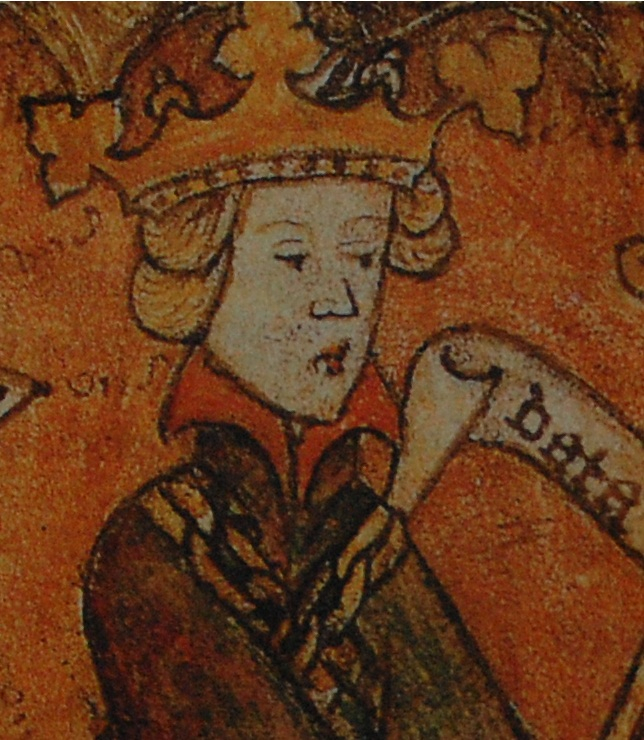
Magnus Eriksson becomes King, succeeding Harald V in Norwegian monarchy.
Norway
Political
3 min read
Updated By: History Editorial Network (HEN)
Published:
Updated:
In 1319, Magnus Eriksson ascended to the throne of Norway, succeeding his grandfather Haakon V. Magnus had Scottish and Swedish roots, which influenced the politics and alliances of Norway during his reign. His coronation marked a period of stability after years of internal conflicts and power struggles within the Norwegian monarchy.
Magnus Eriksson's rule brought about diplomatic ties with neighboring countries, such as Sweden and Scotland, through strategic marriages and alliances. His efforts to strengthen the kingdom's economy and administration were notable during his reign, contributing to the overall prosperity of Norway.
The crowning of Magnus Eriksson as King of Norway signified a new chapter of unity and cooperation within the nation. His reign played a key role in shaping Norway's political landscape and its relations with other European powers.
The legacy of Magnus Eriksson as King of Norway is remembered for his efforts in maintaining peace and stability within the kingdom, as well as his contributions to the prosperity and growth of the nation. His coronation symbolizes a period of consolidation and progress for Norway.
#MagnusEriksson #KingofNorway #NorwegianHistory #MedievalMonarchy
Primary Reference
Magnus Eriksson - Wikipedia

Explore the Life Moments of
 AI Twin