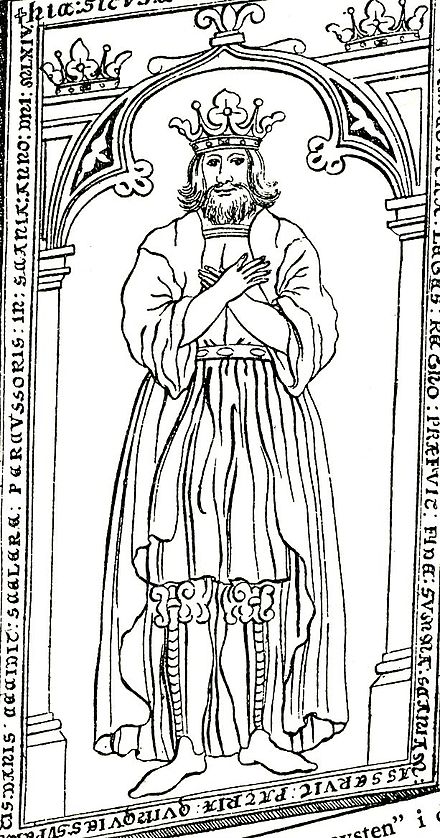
Inge I inherits Norwegian throne from father Harald Gille as king.
Norway
Political
3 min read
Updated By: History Editorial Network (HEN)
Published:
Updated:
In 1136, King Inge I ascended to the throne of Norway following the death of his father, King Harald Gille. The succession marked a pivotal moment in Norwegian history, as it solidified the power of the Gille dynasty. King Inge I faced challenges to his rule, particularly from his own half-brother, Sigurd Slembe, who sought to claim the throne for himself. This rivalry led to a period of civil unrest and power struggles within the kingdom.
Despite facing opposition, King Inge I managed to consolidate his rule and maintain stability in Norway during his reign. He implemented policies aimed at strengthening royal authority and centralizing power within the monarchy. His efforts helped to foster a sense of unity and cohesion among the Norwegian people.
The succession of King Inge I as the monarch of Norway in 1136 had a lasting impact on the political landscape of the region. His reign represented a continuation of the Gille dynasty's influence and set the stage for future developments in Norwegian history.
#KingIngeI #NorwayHistory #GilleDynasty
Primary Reference
Inge Haraldsson - Wikipedia

Explore the Life Moments of
 AI Twin