
Rangoon bombing deadly cold war terrorism attack
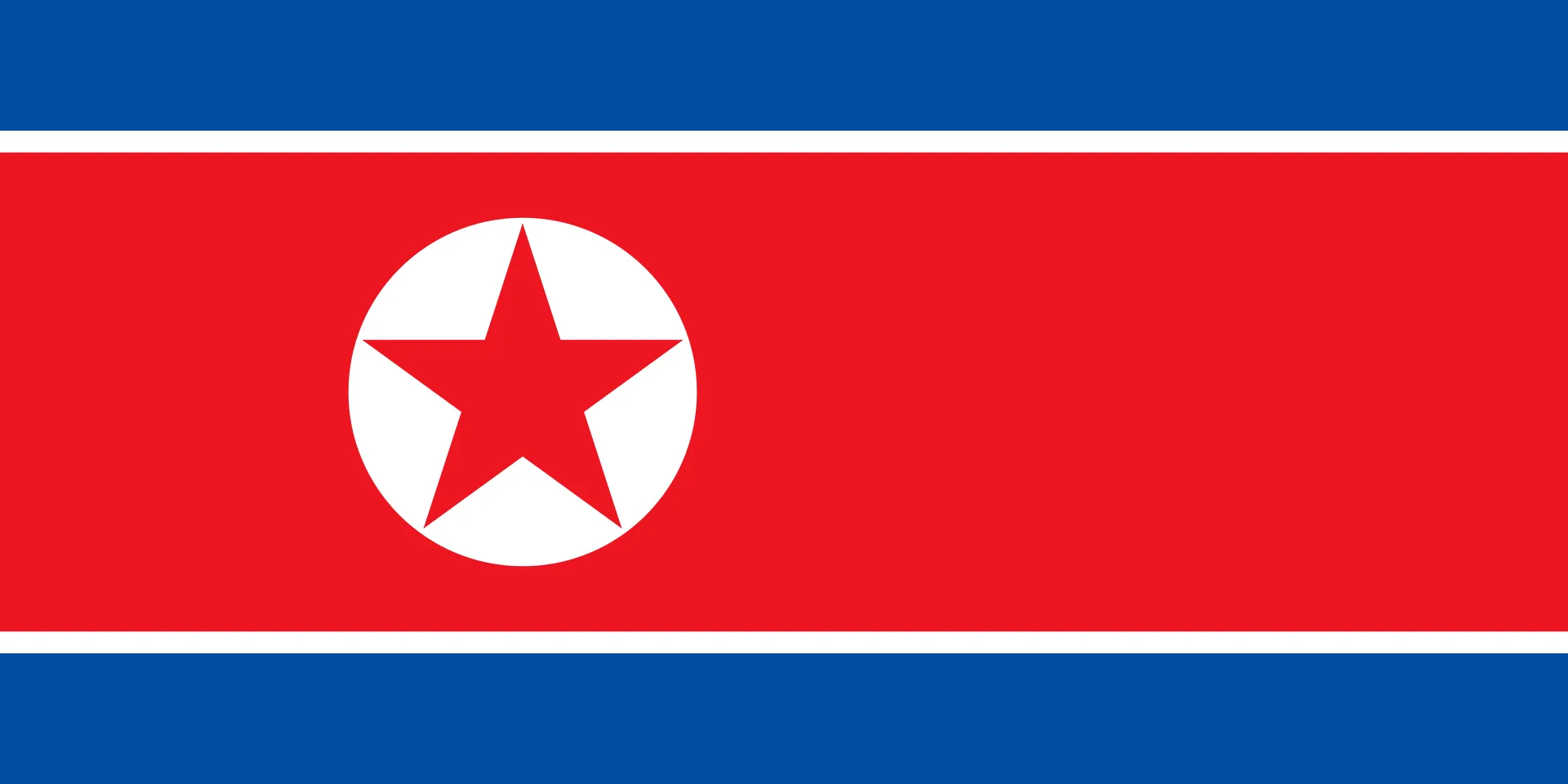
North Korea
5 min read
Updated By: History Editorial Network (HEN)
Published:
Updated:
The Rangoon bombing, a deadly act of international terrorism, occurred on October 9, 1983, in Burma (modern-day Myanmar). Orchestrated by North Korean agents, this assassination attempt targeted South Korean President Chun Doo-hwan, who was on a state visit. The attack aimed to eliminate the South Korean leader and disrupt the stability of South Korea’s government, underlining the intense hostility between North and South Korea during the Cold War.
The Incident:
The bombing took place at the Martyrs' Mausoleum in Rangoon, where President Chun was scheduled to pay his respects to Aung San, a Burmese independence hero. North Korean operatives had planted three powerful explosives at the site days in advance. However, a delay in Chun’s schedule fortuitously spared his life.
When the bombs detonated, they unleashed devastation, killing 21 people, including four South Korean cabinet ministers, diplomats, and journalists, as well as several Burmese officials. The explosion injured 46 others, some severely. The scale of the attack shocked the international community, with the violence reaching an unprecedented level for state-sponsored terrorism.
Aftermath:
Immediate suspicion fell on North Korea due to the nature and target of the attack. Burmese authorities swiftly arrested two North Korean agents, who confessed to their involvement. A third agent committed suicide during his capture attempt. The confession implicated North Korea’s government directly, severely damaging its international reputation.
In South Korea, the incident strengthened Chun Doo-hwan’s position, portraying him as a survivor of aggressive North Korean hostility. Globally, the attack underscored the volatile and dangerous nature of the inter-Korean conflict. For Burma, the bombing was a diplomatic disaster, leading it to sever ties with North Korea.
Broader Implications:
The Rangoon bombing was a grim reminder of North Korea’s readiness to use extreme measures to assert its political objectives, particularly against South Korea. It deepened tensions on the Korean Peninsula and hardened South Korea’s resolve to resist Northern aggression. Moreover, the incident served as a stark warning to the world about the lengths to which state-sponsored terrorism could go.
#RangoonBombing #KoreanConflict #NorthKorea #ColdWarTerrorism #MomentsOfLife #MoofLife_Moment #MoofLife
Primary Reference
Rangoon bombing - Wikipedia
Explore the Life Moments of
 AI Twin